
5 Tips to Stay Well through Winter
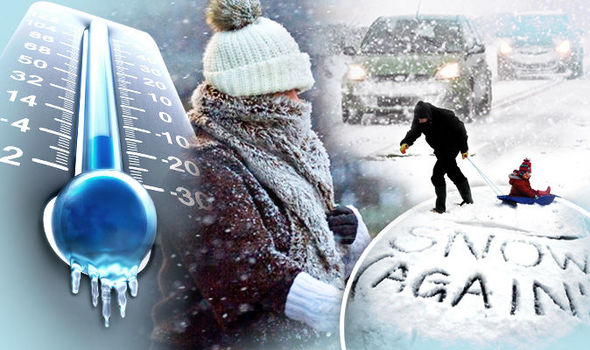
The dark nights are drawing in and the weather is turning increasingly colder. The harshness of winter fills many disabled people, myself included, with dread.
How can we best prepare ourselves for winter?
We are 80% more likely to catch a cold during winter.
Bearing that in mind, here are my top tips to stay well and defend yourself against those nasty winter viruses.
Click here for Part 1 ~ Top Tips to Keep Warm through Winter!
1. Stock up on supplies:
Medication –

• It’s always advisable to keep a stock of essential supplies in your home. Several factors, including adverse weather, can prevent you from getting hold of medicines at short notice.
• All my medications are on repeat prescription so that I don’t have the bother of getting hold of a GP every time I need something.
• As someone with Ullrich congenital muscular dystrophy, a common cold for me can develop scarily quickly, and so I ensure there’s always a reserve of antibiotics at home, should I need them.
• It’s important to go and get your Flu jab annually and, where relevant, the pneumonia vaccination. Don’t leave it too late to protect yourself from influenza – it takes two weeks from the time you’re injected for your body to build up an immunity.
 Contacts –
• It’s good practice to have a list of contacts, in case of an emergency. Include medical professionals (e.g. doctors, consultants, physiotherapists and hospital ward/department direct lines) so that you or your next of kin can contact, should you become ill. Keep your list somewhere easy to find, such as on the fridge, and make copies!
2. Nutrition:
• I choose to take supplements including a daily multivitamin and probiotics, in order to boost my immunity. Supplements come in various forms: tablet, capsule, liquid and powder. If you struggle to swallow pills, there’s always another option out there for you.
• I’m not a fan of water, so I drink a lot of herbal teas, such as lemon and ginger, to keep me hydrated and flush out toxins. Both ingredients are naturally antibacterial while ginger also helps ease migraines, inflammation and nausea (the latter being a common side effect of antibiotics). Add some honey for sweetness and to soothe a sore throat.
 • I find smoothies and soups are an easy way to get your recommended allowance of vitamins and minerals. It’s really important to eat healthily to aid your bodies defence against all those coughs and colds circulating throughout the winter months. Remember: you are what you eat!
 • Top Foods: lemon, ginger, garlic, onion, kale, cinnamon, turmeric, honey, apple cider vinegar, grapes, natural yoghurt and chicken soup.
3. Cleanliness:
• I keep a little bottle of antibacterial hand gel in my bag (you can buy them really cheaply from most shops nowadays). I use it when out and about or using public transport. It’s a simple way to prevent the spread of germs from surfaces and person to person.
• It’s stating the obvious but wash hands with soapy water and maintain clean surfaces within the home. It’s often difficult to prevent all members of a household becoming ill when one gets sick. But simple precautions such as this could make all the difference.
• Grab yourself a few packets of antibacterial wipes and remember to clean phones, remote controls, computer keyboards and door handles regularly. You’d be amazed how much bacteria harbours there.
• Be considerate and try to cough and sneeze into a tissue rather than the air. It’s a good idea to keep plenty of tissues in stock. Please don’t do what my Dad does and carry a snotty cotton handkerchief around with you all day – bleurgh!
• Replace your toothbrush after you have fully recovered from an illness.

4. Physiotherapy:
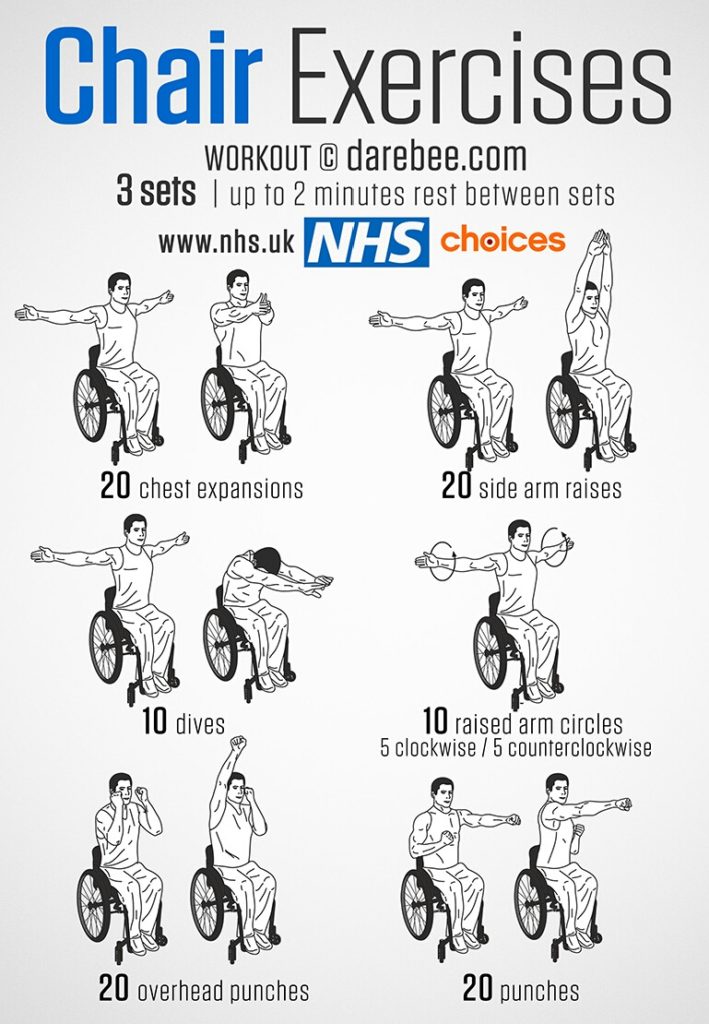
• It’s beneficial to stay as active as physically possible, particularly throughout winter as immobility makes us more vulnerable to infection.
• I am completely non-ambulant and so this is a major issue for me. Immobility results in muscle decline and poor circulation, which in itself leads to further complications.
• Although I cannot exercise in a conventional fashion, I basically wriggle and move about as much as I can. For example, I flex my feet & wiggle my toes, lean back and forth and side to side in my chair. Don’t be afraid to put some music on, loosen up and just MOVE however you can, for as long as you can.
• If you are able, go swimming as this is the best exercise for those with physical disabilities.
• Remember to pay attention to your lungs! Deep breathing exercises are an essential daily requirement for me. Following the Active Cycle of Breathing Techniques (ACBT) helps to keep me as strong as I can be.
5. Avoid Germs:
• I am particularly susceptible to respiratory viruses. If I go anywhere near someone with a cold, 9/10 I will catch it. For me, a common cold can quickly progress into a much more serious condition, I do my best to limit exposure to infected people.
• I avoid overcrowded spaces and public transport when I’m feeling run-down, whilst taking and shortly after a course of antibiotics as this is when my defences are the lowest.
• At times when coughs/colds are prevalent within the local community, I try to stay away from enclosed public places e.g. trains, buses, cinema, supermarket/stores, pubs, clubs etc.
• If you must go out, remain in the fresh, open air (but wrap up warm).
• Wear a scarf when out and about. When necessary, I can use it almost like a mask, pulling it up over my face. This prevents me from inhaling and contracting airborne viruses.
• Why not add a few drops of Olbas Oil (eucalyptus) to your scarf. That way, when you do need to pull it up over your nose and mouth, you can breathe in the fresh scent and it won’t feel stuffy.
I really hope this was helpful! Please SHARE this blog post so that others may benefit.