Get To Know Me | Interviewed by Wheelescapades

I recently collaborated with fellow disability and lifestyle blogger Gemma Orton, aka Wheelescapades, on a ‘20 Questions‘ blog post.

We initially got chatting on social media and found we had a few things in common ~ We’re both arty/crafty types, we have a mutual love for all things Disney, and we are both wheelchair users. Gemma has Spinal Muscular Atrophy Type 2 (SMA2), while I have Ullrich congenital muscular dystrophy.

To get to know each other even better, we gave each other free rein to ask 20 personal questions!

Here you can find my previous post, in which I interview Gemma.


And below are my answers to Gemma’s 20 questions…

1. What made you decide to write a blog?

I had been thinking about it for a long time, though it took me several months to begin. I wanted to do something productive and worthwhile but didn’t think anyone would care or be interested in what I have to say.
They say you should write what you know. I have been disabled since birth and so consider this my expert subject. However, disability isn’t a particularly popular or fashionable topic to blog about. I knew it would be a challenge and it has been. I do feel like I’m constantly playing catch-up and at times I wonder if it’s worth the time and effort. But when I receive positive responses from complete strangers, I am reminded why I’m doing it.

2. What do you want your blog to achieve?

I want to raise awareness of muscular dystrophy, particularly Ullrich congenital muscular dystrophy which is the rare and little-known form that I have. I want to share my thoughts and experiences, having lived my whole life as a physically disabled individual, in the hope that it may in some way help others.

3. What is the most difficult thing for you about having a disability?

Blimey, I could write a list! There are many challenges and frustrations. My condition is progressive and so the difficulties become greater with age. I think perhaps, for me, the most difficult thing about living with Ullrich congenital muscular dystrophy, is the limitations it inflicts. I am limited physically – I cannot run, dance, walk or even weight-bear. Just to be able to stand and support my own weight would make a world of difference! I am life-limited! Yes, UCMD is a life-limiting condition. I will not grow old or see my new baby nephew become an adult. Furthermore, my quality of life is limited. To put it briefly, when I am ill I’m REALLY ill. I have spent much time in hospital with respiratory related issues including repeated bouts of pneumonia, pleurisy, and a collapsed lung. I have literally lost months of my life to UCMD – housebound, unable to eat and reliant on non-invasive ventilation.

4. What is the biggest positive about having a disability?

The positives are much more light-hearted! Concessions, being able to skip to the front of the queue and designated parking (although disabled bays are often occupied by sports cars lacking a blue badge!)

5. If you could only eat one food for the rest of your life what would it be?

Hmm, tricky! I do like variety. I guess I’d have to choose… mash potato?! That way I could always mix it up by adding herbs from the garden (or is that cheating??)

6. An apocalypse is imminent, you have 30 minutes to prepare, what 3 items do you pack?

Well, I guess if the apocalypse is coming then it doesn’t really matter as we’re all doomed anyway?! But, I think I would still pack a bottle of Lucozade (I live on it! Purely for the energy boost), my dog and my family!

7. When making tea would you pour the milk or water in first?

Water!

8. What is your favourite way to relax?

I like to shut myself away, snuggle up in bed or on the sofa, and listen to music or watch a good film.

9. If you could interview any human, dead or alive, who would it be and what would you ask?

Wow, I really don’t know. God! (who I don’t believe in – what a cop-out) He has a lot to answer for.

10. What would be your dream job?

I’m one of those people who never knew what they wanted to do. I’ve never been career focused or academically ambitious. All I ever wanted was to have kids! But, if I could be absolutely anything, I think I’d be a dancer. I’ve always loved everything about dance. And yes, I’m a huge Strictly fan!

11. You’ve just won 10 million pounds (congratulations!), what 3 things would you do with the money?

Sort my family out – erase any debts and buy them homes, cars and whatever else they might need or want. Make sure my closest friends are comfortable! Buy a holiday home(s). And finally, a home for myself, FULLY adapted!

12. Where in the world would you most like to visit and why?

Australia. For as long as I can remember I have always wanted to visit Australia. The snakes are a little off-putting but still, that’s where I’d head to first. Closely followed by America. I’d absolutely love to do a road trip – Route 66!

13. What one thing would you change about yourself?

Only one?! Again, I could write a list. Buy I’d have to say my body. It doesn’t work too well and I’m flipping uncomfortable in it!

14. If you could play any part in a film, past or future, real or fiction, who would you be?

Men get all the really great roles! So, if I were male I think I’d play the Joker in The Dark Knight. How much fun would that be! Since I’m not a man, I’d play… I don’t know!! Maybe one of the sisters in A League of Their Own (1992) or Uma Thurman’s roles in either Pulp Fiction or Kill Bill.

15. If there was a pill that would freeze you at your current age and you could live forever as you are now, would you take it? And why?

Nope, definitely not. I wouldn’t want to live forever. It would get pretty boring after a while! Plus outliving all my family and friends would be hell.

16. If you could trade lives with one person for an entire day who would it be and why?

My brother. He has the life I’ve always wanted. He is physically fit, handsome, funny, charming, popular, successful and he has a lovely wife, baby and home. Of course I don’t resent him for it and I want nothing more than for him to be healthy, happy and fulfilled. But to experience his life for just one day would be bliss. I’d never ask for anything else.

17. If you could time travel, where would you go?

Good question. There are so many periods throughout history that I’d like to visit. But it would be great to go back around 50 years, when my parents were kids and my grandparents were young. I never knew my maternal granddad who died when I was a baby. So I’d especially love to meet him.

18. If you were made Queen and allowed to pass one new law, what would it be, and why?

Argh, the pressure! I have no good answer to this. So I think I’ll just say longer sentences and harsher punishments for serious crimes. There really is no deterrent in this country.

19. What personal trait has gotten you in the most trouble?

Voicing my opinion and failing to filter! Over the years I have become more outspoken and more impassioned about certain issues. I tend to over-analyse and question everything. Oh and I am rather stubborn. If I believe something in something, I won’t budge.

20. As a child, what did you wish to become when you grew up?

Just happy I guess. As I said before, I never had a particular job or career in mind. I’ve considered various options and ideas over the years. But all I ever really wanted was a home and a family of my own. That’s it. Not much to ask, eh?

I don’t think it is.


I really hope you enjoyed this collaboration with Wheelescapades. Let me know in the comments.

I’d also love to hear from you and find out how you would answer these questions!


To keep up to date with Gemma, go and check out her blog and connect with her on social media.

https://wheelescapades.com/

https://twitter.com/gemmaorton
https://www.instagram.com/wheelescapades/

https://www.facebook.com/wheelescapades/

Interview | Author Janine Shepherd

Here is my latest interview, with Janine Shepherd, for Disability Horizons.


Janine Shepherd: A Broken Body is not a Broken Person

Former elite athlete and celebrated author, Janine Shepherd shares her inspirational story in the best-selling memoir, Defiant: A Broken Body is not a Broken Person.

It chronicles her journey following a tragic accident that cut short her bid to compete in the 1988 Calgary Winter Olympics.

Partially paralysed and suffering life-changing injuries, Janine made the courageous decision to let go of her former life and face adversity head-on, creating a new dream for herself.

Here I speak to Janine about her journey, the challenges she has faced and how she’s reinvented herself and her outlook.

Hit by a truck in 1986 during a bicycle ride in Australia’s Blue Mountains, Janine was not expected to survive. Told by doctors that she would never walk again, nor have children, she spent the next few years rehabilitating her permanent disabilities and defying all the odds.

A mother of three, best-selling author, public speaker, aerobatics pilot and the first female director of the Civil Aviation Safety Authority, Janine speaks candidly and with humility about how and why she reinvented herself and changed her self-perspective.


Janine, please tell us about your disability and how it continues to affect you.

The accident gave me severe spinal cord injury – I broke my neck and back in six places. After extensive surgery and rehabilitation, there was just about enough nerve connectivity to be able to learn to walk again, albeit with a significant limp.

Now, in addition to significantly wasted lower leg muscles, I have limited feeling from the waist down and chronic bladder and bowel dysfunction. I also have to self-catheter a lot, which results in regular urinary tract infections. Your readers might agree that these issues are possibly the worst part of living with spinal cord injury.

‘Janine the machine’ is how you referred to your old self – the elite cross-country ski racer. Do you feel this remains a true representation of your character? If not, how would you now define yourself?

Even though I felt that my body was ‘broken’ after my accident, I realised that my spiritual essence and mental toughness remained unchanged. I soon learned that being ‘Janine the machine’ had less to do with athletic prowess than unshakeable determination and persistence. Recognising that gave me the strength to reinvent my life in a most remarkable way.

Following the accident and being unable to walk, you focused on learning to fly. In your book, you state: “I had to find something to replace what I had lost in my accident”. Why was it so important to set yourself such an ambitious goal?

We often define ourselves by things outside of us – our jobs, our relationships, the roles we play in life. When we lose those things, who we are and everything we believed in is challenged. When we experience such immense loss in life, whatever form it may take, it is very easy to slip into despair, which is what happened when I got home from the hospital. Flying filled me with so much joy and gave me the inspiration and hope that I really could rebuild my life in an unlikely and extraordinary way.

The feeling of despair was almost inevitable. You state that you suffered depression on returning home after a six-month stay in hospital. How did overcome this?

I overcame the despair by throwing myself into flying as well as my physical therapy. At first, this was more discipline than it was a spiritual or emotional triumph. I simply interrupted the pattern of depression by charting progress on all fronts, no matter how incremental it may have been from one day to the next. This helped to refocus my life and channel my depression elsewhere. Hope and application proved to be powerful antidotes to depression.

You discuss your choice to keep fighting versus letting go and accepting not only your body but also the circumstances. This led you to stop asking “why me?” but rather, “why not me?” Why was it so essential to change your perspective?

Before my accident, I had led a very narrow life in that all of my friends were athletes of some sort. In hospital, I met so many other people, whom I would normally not have met. This opened my eyes to the fact that I wasn’t alone on this journey.

Even though we came from very different walks of life, we experienced similar struggles with acceptance and recalibrating how to live life post-recovery. Equally important, we had in common the typical hopes and dreams of anyone for a ‘normal’ life once we left the spinal ward.

You have faced great adversity on a number of occasions. Having rebuilt your life following your accident, you then later experienced the upheaval of divorce and financial ruin. What gave you the strength to once again thrive and persevere despite these challenges?

I developed a philosophy very early on in my days as an athlete called ‘loving the hills.’ One of my racing advantages was that I took on the climbs my competitors dreaded with a passion. That not only made me physically stronger but mentally tougher as well.

This proved to be more than just a training philosophy; it became my choice as a way seeing and living life. Ski races and life experiences are both full of hills; loving them not only gave me a competitive edge but also developed my resilience. So when faced with a life challenge that, metaphorically, looks insurmountable, I take that on as just another ‘hill’. Loving it, not fighting it, teaches me the lessons I need in order to grow into a wiser and more compassionate person.

One of the themes of your book is the concept of disability. You emphasise the importance of believing in the power of potential and adopting a defiant mindset, so that one may not be defined by their physical limitations. Can you share your outlook on disability?

I went from being a gifted, multi-sport athlete to having to relearn how to walk. So, it took me years to finally and fully accept that I am a woman with a disability. At first I felt embarrassed by many aspects of my spinal cord injury, bladder and bowel dysfunction.

However, as I look back and see how much I have achieved, despite my challenges, and how much I have overcome, I feel like the aspect of loss in my life is no longer something to try to hide. Instead, I’m proud of being able to acknowledge my disability and put my energy into making the best use of my gifts.

Despite your many life-altering setbacks, you write with great humour, humility and encouragement. How have you managed to maintain such a positive and empathetic attitude? And do you feel that humour is important in maintaining a healthy outlook?

I absolutely feel that being able to laugh at life is an essential part of the healing process. I tell others not to take life too seriously or you’ll cloud the experience. There are so many documented mental and physical health benefits of laughter. Humour helps me to deal with chronic pain, something that remains a part of my life on a day-to-day basis.

You state that the loss of your athletic career and your physical limitations ultimately allowed you the freedom to embrace life’s potential and infinite possibilities. This is a remarkably refreshing and open-minded viewpoint. How have you ensured that you are defined by your accomplishments rather than your broken body?

I believe that life is about loosening our grip on the things that we feel entitled to. Many of the ancient teachings state that this only leads to suffering. When we let go of the life that we feel we should have, we gain the freedom to see the world through new eyes, and create a more ideal life we can only then envision. This is the gift that comes from realising that life is not about having it all, but loving it all, even the painful parts.

Finally, what do you hope readers will take away from your memoir?

I believe that each of us serves both as companion and as mirror to those we meet along the way. When we accept that we are not alone on our journey, and just how precious and short it is, we become open to seeing the world from a perspective of love and hope.

We then understand that, despite the inevitable life challenges, we always have the choice to reinvent our lives and embrace the new with a sense of wonder and joy. My sincere wish is that my story helps each reader better connect with his or her defiant human spirit. And, that doing so serves to foster the pursuit of the uniquely rich, extraordinary life that awaits every one of us.


I would like to thank the wonderful Janine Shepherd for speaking with me.

Please follow me on Twitter and Facebook

The Winter Edit: Part 1

5 Tips to Keep Warm this Winter

Winter is well and truly here and so too is the frosty weather. British winters can be long, dark and unforgiving.

To help you make the most of the season ahead, I bring you Part 1 of my Winter Edit – advice, tips and tricks to ward off the chill.


1. Chilblains:

Because I am unable to weight-bear, I suffer from poor circulation, making my feet permanently cold. I have what can only be described as corpse feet – purple and puffy!

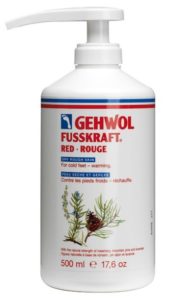
I have tried all sorts of remedies over the years to treat recurrent chilblains, but I’ve found the best to be Gehwol Fusskraft Red cream (available on Amazon).

I slather it on generously before putting on a pair of thick woolly socks, and find my feet are subtly but noticeably warmed and chilblains are kept at bay.

  • A good alternative to the Gehwol Fusskraft Red cream is the Pink Peppermint foot lotion by Lush, which works similarly to stimulate circulation. If going out on a cold day I’ll sometimes rub this into my hands to fend off frosty fingers.
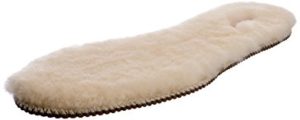
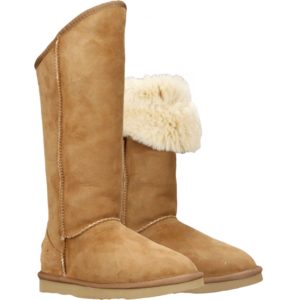
  • In terms of footwear, you can’t beat (in my humble opinion) a pair of shearling lined boots *ahem, Ugg dupes*. They may not be the height of sophistication, but they do the job and they’re ridiculously comfortable. I can imagine all the guys out there are thinking this is one for the ladies, but there is a good selection of shearling lined winter boots out there for men too.

2. Layering:

We all know it’s best to layer clothing when cold. However, this is not so easy to do when you’re a wheelchair-user.

Getting dressed is a daily struggle for me, so having to battle with more than one top fills me with dread.

So, my advice put simply; if you can layer, do. If like me you can’t, keep reading…

I live in leggings as they’re stretchy and comfortable. You can buy leggings everywhere and anywhere these days but I favour Marks and Spencer heatgen thermals.

There are socks, tights, vests, long sleeved tops and of course the leggings I love. Again if you’re able to, I recommend wearing these items under your usual attire for added insulation. But they’re ideal to wear alone too. M&S also feature a men’s thermal underwear range.

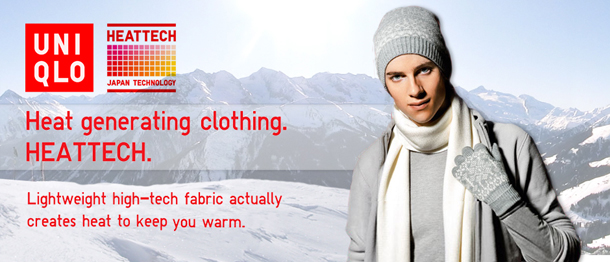
A great alternative to M&S is the Uniqlo Heattech range for men, women and children. This extensive selection is it is competitively priced, practical and fashionable. Definitely check this one out!

uniqlo

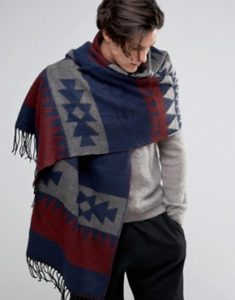
  • I swear by scarves. They’re so easy to throw around to protect against the winter chill. They come in so many fabrics, sizes, colours and styles. Invest in a thick woollen scarf big enough to wrap around your body like a poncho or use as a blanket over your legs. I sometimes do this if I’m home alone as I can’t manage sleeves myself.
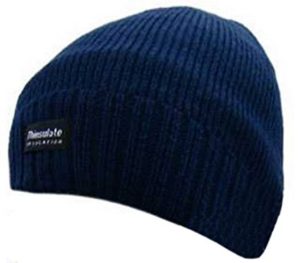
  • Wear a woollen hat when going out in cold weather as heat escapes from our heads.
  • Gloves aren’t just for outdoors. If you suffer from cold hands, try wearing a fingerless pair when indoors which allow you the freedom to continue with your daily tasks. If it’s a particularly frosty day and I need to go out, I will layer woolly gloves over a fingerless pair. You could also purchase some USB heated gloves online.

  • Throughout the coldest months, ensure you use several bed sheets as this traps heat in far better than having one thick blanket. It’s also much easier to turn and reposition yourself with a few thinner cotton sheets over you than one heavy blanket. *I’ve mentioned it before but for those of you who struggle with turning in bed, I highly recommend investing in a satin fitted sheet.

3. Fabric:

When trying to keep warm it’s worth considering where you are and what you’re doing as this will determine which fabrics to opt for.

  • Natural fibres such as wool, cotton and silk are more insulating since they trap heat. So lightweight silky pyjamas will not only keep you snug at night, they will also help you manoeuvre more easily. Cotton is hypoallergenic, breathable and good for layering but not advisable in wet weather as it is also highly absorbent. Wool too absorbs moisture though due to its structure, water cannot enter the interior fibre. Therefore, even when soaking wet the air pockets inside the woollen fibres prevent you from losing heat. 100% wool is best as blends are less insulating.
  • The synthetic fabric polyester is good when out on a windy day. It’s durable, lightweight and can be made to any thickness. A polyester coat or jacket is a must. And why not snuggle up in bed with a polyester fleece mattress topper, available from Amazon.

4. Food:

  • Swap your morning cereal for warming porridge oats. Add a little cinnamon as it stimulates circulation thereby raising body temperature. Cinnamon spice is also full of antioxidants and anti-inflammatory properties which will protect you from winter viruses.

  • Opt for soup over sandwiches. Include iron rich foods, garlic, onions, spices and orange vegetables such as carrots, sweet potato and squash.
  • Whole grains, nuts and nut butters are great insulating snacks.
  • The dark days and cold weather can make us lethargic. Many of us lack the energy to cook after a busy day. So to prepare for the week ahead, make yourself plenty of warming hearty meals like stews, broths, casserole and chilli, then freeze. When you then come home in the evening, all you need do is reheat and enjoy. You’ll be warmed through in no time.
  • Hot drinks are a winter essential. I drink a lot of herbal teas, especially lemon and ginger as these ingredients are great for flushing out the system and warding off coughs and colds. When on a long journey take a flask of hot coffee or tea with you to stay warm and hydrated.

5. Home Heating:

It’s important to maintain a warm and consistent temperature in your home throughout the winter.

Exposing yourself to extreme and varied temperatures can leave you vulnerable to ill health and infection. Government guidelines advise heating our living rooms to 21C (70F).

Most of us now have central heating which can even be controlled from our mobile phones.

My family home is primarily heated by a wood burner which warms the whole house.

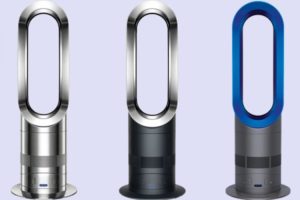
However, I cannot prepare and light the fire myself due to my disability. I therefore store a fan heater in my bedroom which is simply operated by the flick of a switch. There are many different electric heaters now on the market. Here’s a budget option and a higher end option for you.

You could also pre-heat your bed with an electric blanket or a hot water bottle so that it’s nice and toasty for you to get into at night.

Honourable Mentions:

  • Invest in a high tog duvet for frost nights.
  • For a quick fix, blast yourself with the hairdryer for instant heat
  • Heating pads and microwaveable heat pack
  • Reusable hand gel warmers (I have these)
  • Microwaveable slippers/USB foot warmer
  • Check out the complete care shop for a variety of warming aids
  • Enjoy a cosy night in front of the fire with a milky hot chocolate – my favourite is Galaxy or Aero – and a big bowl of homemade cinnamon popcorn!

I hope this was helpful! If so, please SHARE 

Winter Edit: Part 2 ~ Tips to Stay Well through Winter

Flu Jab: Get Yours Today!

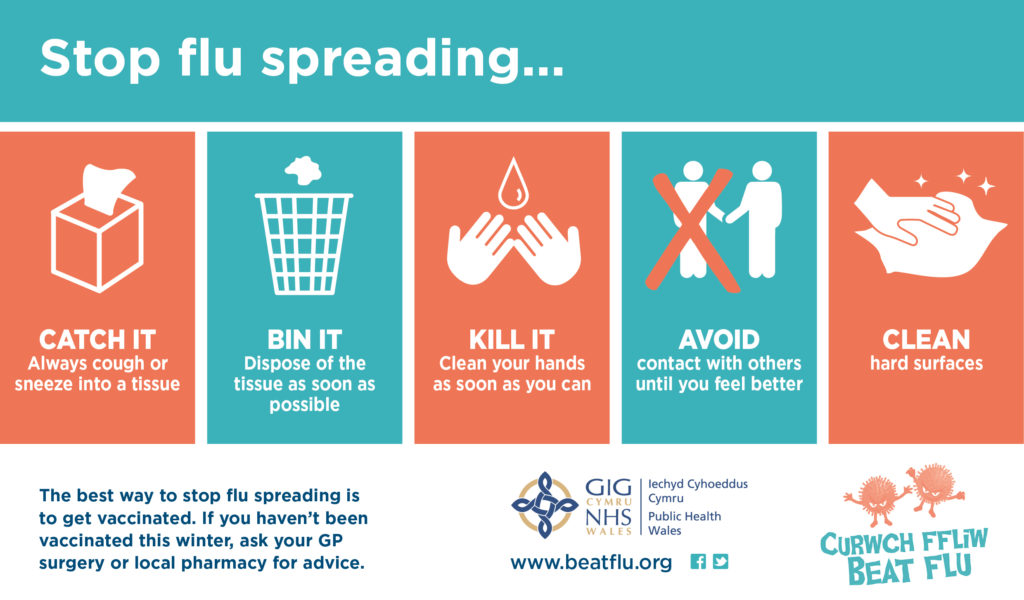
Well, it’s upon us again; Flu season is here. Every year my family and I get the Influenza vaccination, which is free of charge here in the UK, courtesy of the NHS.

For as long as I can remember, I’ve had the Flu jab to protect myself through the harsh winter months. It’s important that not only I am vaccinated, but that those closest to me are too. My immune system is much weaker than average, and my condition makes it considerably more difficult to overcome respiratory infections. For me, a common cold can quickly develop into something much more serious. It’s therefore very important that I am not unnecessarily exposed to the Flu virus.

As I have aged, my declining respiratory function has become the most concerning symptom of my disability. Ullrich congenital muscular dystrophy causes muscle degeneration and scoliosis. Not only are my lungs squashed and unable to expand as they should, the muscles that make them force air in and out are slowly wasting away.

Over the years, I have fought recurrent chest infections, several bouts of pneumonia, pleurisy and an acute pneumothorax (collapsed lung), requiring a chest drain. Many long, drawn-out days have been spent in hospital trying to overcome serious complications resulting from respiratory viruses.

For this reason, I implore and encourage you all to go and get the Flu shot. It takes no time at all and I promise you, it’s completely painless. There are fables floating around that will attempt to make you believe the Flu jab can give you the Flu. This is not the case at all. Yes, the vaccine does contain a small dose of the inactive virus. This triggers antibodies, which within two weeks will protect you, if and when you’re exposed to seasonal Flu.

Like all viruses, there are various strains of Influenza which change annually. For this reason, it is essential to ensure you are vaccinated every year.

I visited my local pharmacy, without appointment, a few weeks ago to get my free vaccination. If you haven’t already, please don’t delay. Go and get yours NOW!

For more information on the Influenza vaccine visit the NHS web page here.


Related Blog Posts:

Flu | The Facts

Winter | Top Tips to Keep Warm

Winter | Top Tips to Stay Well

Cough & Cold Season | Chest Infection