I’ve noticed a lot of discussion, within Facebook groups, around the topic of walking versus the use of a wheelchair.
Many disabled people gradually lose the ability to walk over a period of time. Often it occurs in stages: from independent mobility, to the need for walking sticks, then a frame and finally a wheelchair.
I appreciate that for the individuals affected, it is an incredibly difficult decision to make. Do I continue to walk for as long as possible, despite the struggle and restraints? Or, do I resign myself to the confines of a wheelchair?
I have noticed, from comments on social media, that this is how some view wheelchairs: objects of confinement and restriction.
On the contrary, I see my wheelchair as an essential mobility aid, removing the limitations I faced when walking for only short durations. The powered chair I now use offers me freedom and independence.
Obviously, your condition and individual circumstances determine whether or not you have the option to continue walking.
Personally, I never had a choice. I have Ullrich congenital muscular dystrophy and lost the ability to walk quite abruptly at the age of 10. Not that I could walk very well or very far up to that point.
Nevertheless, the choice was taken from me. I had reached a stage where I literally couldn’t support my own weight. Grit and determination played no part. And so, I went from walking minimal distances whilst wearing leg splints, to using a manual wheelchair that I couldn’t self propel due to a lack of strength and joint contractures. Sticks and frames were of no use to me whatsoever.
It was a difficult transition, of course. But not totally unexpected. As a child, I was offered little assurance of how my condition would progress. Doctors simply didn’t know. They couldn’t tell me if I would maintain my ability to walk or not. It was a case of, wait and see; roll with the punches. So that’s what I did.
To be honest, I was to a large extent relieved to be using a wheelchair, despite the fact I was dependant on others to manoeuvre me around. Even just a few small steps was a huge feat and physically laborious. That in itself was disabling me.
Committing to a wheelchair full time meant that I was free to roam with my peers. Kids at school used to squabble over whose turn it was to push me around. I was no longer exhausted, battling to stay on my feet or falling over and injuring myself. Being non-ambulant, I no longer had to wear those unsightly leg splints, which pleased me no end!
I had recently started middle school and, within a matter of a few weeks, I found myself completely unable to weight-bear.
However, less than twelve-months later, I was fortunate enough to benefit from my first powered wheelchair. I can’t emphasise enough how much of a difference this made to my life.
I could zip around at break times with friends, I could take myself wherever I wanted to go without the need for assistance, and I could venture into the local countryside. I was no longer confined!
It’s been eighteen years since I took my last footstep. And, I can honestly say I don’t miss walking. Naturally, I wish I could stand, walk and run ‘normally’. But I would never trade my wheelchair for my old leg splints, the bumps and bruises from falling so often, and the constant exertion to achieve a few small steps.
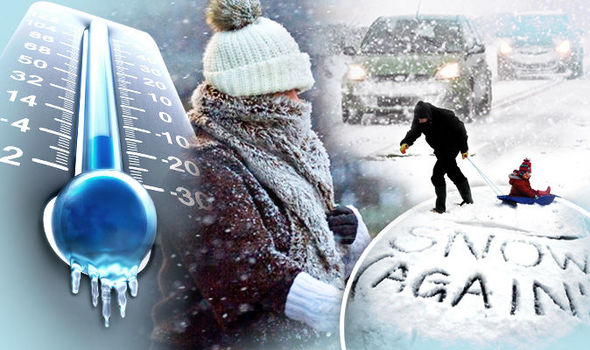
Winter is well and truly here and so too is the frosty weather. British winters can be long, dark and unforgiving.
To help you make the most of the season ahead, I bring you Part 1 of my Winter Edit – advice, tips and tricks to ward off the chill.
1.Chilblains:
Because I am unable to weight-bear, I suffer from poor circulation, making my feet permanently cold. I have what can only be described as corpse feet – purple and puffy!
I have tried all sorts of remedies over the years to treat recurrent chilblains, but I’ve found the best to be Gehwol Fusskraft Red cream (available on Amazon).
I slather it on generously before putting on a pair of thick woolly socks, and find my feet are subtly but noticeably warmed and chilblains are kept at bay.
A good alternative to the Gehwol Fusskraft Red cream is the Pink Peppermint foot lotion by Lush, which works similarly to stimulate circulation. If going out on a cold day I’ll sometimes rub this into my hands to fend off frosty fingers.
In terms of footwear, you can’t beat (in my humble opinion) a pair of shearling lined boots *ahem, Ugg dupes*. They may not be the height of sophistication, but they do the job and they’re ridiculously comfortable. I can imagine all the guys out there are thinking this is one for the ladies, but there is a good selection of shearling lined winter boots out there for men too.
We all know it’s best to layer clothing when cold. However, this is not so easy to do when you’re a wheelchair-user.
Getting dressed is a daily struggle for me, so having to battle with more than one top fills me with dread.
So, my advice put simply; if you can layer, do. If like me you can’t, keep reading…
I live in leggings as they’re stretchy and comfortable. You can buy leggings everywhere and anywhere these days but I favour Marks and Spencer heatgen thermals.
There are socks, tights, vests, long sleeved tops and of course the leggings I love. Again if you’re able to, I recommend wearing these items under your usual attire for added insulation. But they’re ideal to wear alone too. M&S also feature a men’s thermal underwear range.
A great alternative to M&S is the Uniqlo Heattech range for men, women and children. This extensive selection is it is competitively priced, practical and fashionable. Definitely check this one out!
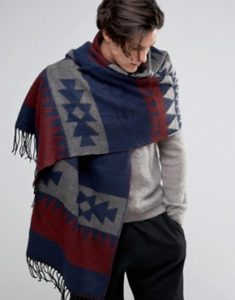
I swear by scarves. They’re so easy to throw around to protect against the winter chill. They come in so many fabrics, sizes, colours and styles. Invest in a thick woollen scarf big enough to wrap around your body like a poncho or use as a blanket over your legs. I sometimes do this if I’m home alone as I can’t manage sleeves myself.
Wear a woollen hat when going out in cold weather as heat escapes from our heads.
Gloves aren’t just for outdoors. If you suffer from cold hands, try wearing a fingerless pair when indoors which allow you the freedom to continue with your daily tasks. If it’s a particularly frosty day and I need to go out, I will layer woolly gloves over a fingerless pair. You could also purchase some USB heated gloves online.
Throughout the coldest months, ensure you use several bed sheets as this traps heat in far better than having one thick blanket. It’s also much easier to turn and reposition yourself with a few thinner cotton sheets over you than one heavy blanket. *I’ve mentioned it before but for those of you who struggle with turning in bed, I highly recommend investing in a satin fitted sheet.
3. Fabric:
When trying to keep warm it’s worth considering where you are and what you’re doing as this will determine which fabrics to opt for.
Natural fibres such as wool, cotton and silk are more insulating since they trap heat. So lightweight silky pyjamas will not only keep you snug at night, they will also help you manoeuvre more easily. Cotton is hypoallergenic, breathable and good for layering but not advisable in wet weather as it is also highly absorbent. Wool too absorbs moisture though due to its structure, water cannot enter the interior fibre. Therefore, even when soaking wet the air pockets inside the woollen fibres prevent you from losing heat. 100% wool is best as blends are less insulating.
The synthetic fabric polyester is good when out on a windy day. It’s durable, lightweight and can be made to any thickness. A polyester coat or jacket is a must. And why not snuggle up in bed with a polyester fleece mattress topper, available from Amazon.
4. Food:
Swap your morning cereal for warming porridge oats. Add a little cinnamon as it stimulates circulation thereby raising body temperature. Cinnamon spice is also full of antioxidants and anti-inflammatory properties which will protect you from winter viruses.
Opt for soup over sandwiches. Include iron rich foods, garlic, onions, spices and orange vegetables such as carrots, sweet potato and squash.
Whole grains, nuts and nut butters are great insulating snacks.
The dark days and cold weather can make us lethargic. Many of us lack the energy to cook after a busy day. So to prepare for the week ahead, make yourself plenty of warming hearty meals like stews, broths, casserole and chilli, then freeze. When you then come home in the evening, all you need do is reheat and enjoy. You’ll be warmed through in no time.
Hot drinks are a winter essential. I drink a lot of herbal teas, especially lemon and ginger as these ingredients are great for flushing out the system and warding off coughs and colds. When on a long journey take a flask of hot coffee or tea with you to stay warm and hydrated.
5. Home Heating:
It’s important to maintain a warm and consistent temperature in your home throughout the winter.
Exposing yourself to extreme and varied temperatures can leave you vulnerable to ill health and infection. Government guidelines advise heating our living rooms to 21C (70F).
Most of us now have central heating which can even be controlled from our mobile phones.
My family home is primarily heated by a wood burner which warms the whole house.
However, I cannot prepare and light the fire myself due to my disability. I therefore store a fan heater in my bedroom which is simply operated by the flick of a switch. There are many different electric heaters now on the market. Here’s a budget option and a higher end option for you.
You could also pre-heat your bed with an electric blanket or a hot water bottle so that it’s nice and toasty for you to get into at night.
Honourable Mentions:
Invest in a high tog duvet for frost nights.
For a quick fix, blast yourself with the hairdryer for instant heat
I’ve always been a bit of a movie buff. Though I enjoy a good book every now and then, I’m not a big reader.
Every year, I try to encourage myself to read more. But sometimes, after a long day, it’s so much easier to watch the film adaptation.
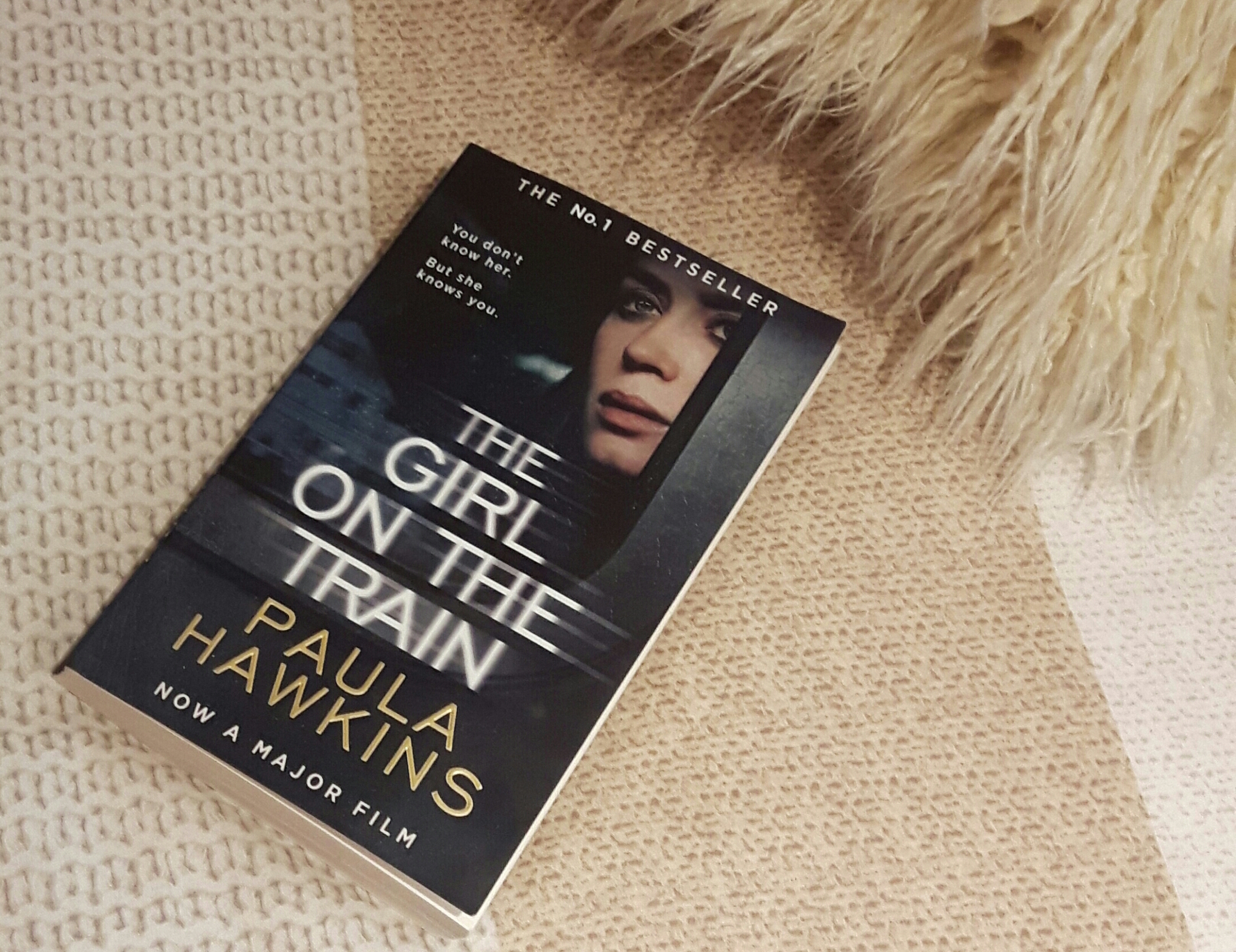
When I caught the trailer for the recently released film, The Girl on the Train, I decided to read the best-seller before allowing myself to see the much anticipated film.
Warning: This review contains spoilers!
Plot:
Hawkins’ psychological thriller is narrated by three women: the eponymous Girl, 32 year-old Rachel Watson; Megan and Anna.
Rachel is a reckless alcoholic who divorced Tom following his affair with the beautiful Anna, whom he later married and fathered a daughter with. The Watsons now live in the house he once shared with Rachel, while she is forced to rent a room in the home of her friend Cathy.
Every day, Rachel takes the train from Ashbury to London, claiming she’s commuting for work when, unbeknownst to Cathy, she lost her job due to her excessive drinking.
Her days, like her commute, represent the typical monotony of life as an alcoholic. A dependence on gin and tonic in particular leads to blackouts, aggression, injury and memory loss.
Rachel’s daily journey passes Blenheim road in Witney where she lived with Tom, offering her a passengers’ insight into his new life. Seemingly obsessed with her former husband, she continually harasses him and Anna to the extreme; calling and even visiting their residence unannounced.
A few houses down from the Watsons, live Megan and Scott Hipwell, an attractive young couple on whom Rachel becomes fixated. She watches them from the train and invents for herself an idealised version of their life, investing in them, in their love for each other and in their perfect marriage.
So, when Rachel sees Megan kissing a man other than her husband, her illusion is shattered. Angry and disappointed, she spends the night binging, then wakes in a bloody and bruised state with no memory of the night before.
It soon transpires that Megan Hipwell is missing, and having seen Rachel drunkenly stumbling around the area on the night in question, Anna reports her to the police. Rachel denies any knowledge of Megan yet feels instinctively that she is somehow involved, and so she conducts a self-led investigation.
She later decides to report having witnessed Megan with the unidentified man, suggesting they were having an affair and that he must therefore be involved in her disappearance. She meddles further, contacting and lying to Scott about having known Megan, and learning that the man in question is Kamal Abdic, Megan’s therapist.
Disturbed by her blackout and intent on piecing together the series of events surrounding what evolves to be a murder; Rachel finds a much needed purpose.
It emerges that Megan was pregnant at the time of her death, though neither Scott nor Kamal are the father.
Anna, despondent at the persistence of Rachel’s presence and harassment, begins to question Tom’s reluctance to report his ex-wife to the police. She uncovers a spare mobile phone belonging to Megan and realises that her husband, like Kamal, had also been having an affair with her.
Increasingly able to certify her own memories, Rachel not only unveils facts about the night of Megan’s disappearance, but also about her former life with Tom. A skilled manipulator, he had blindsided Rachel for years, causing her to believe his accusations and blame herself.
When unable to conceive, he betrayed her by sleeping with Anna, and then proceeded to cheat on Anna with Megan who became pregnant with his child.
Rachel seeks to warn Anna at the family home, but Tom returns and a violent confrontation ensues, the result of which sees both Rachel and Anna participate in Tom’s death.
We learn that what Rachel had seen that night in her drunken stupor was Megan getting into Tom’s car. Thinking initially that it was Anna and not Megan, due to their uncanny resemblance, Rachel called after her and incurred her injuries when Tom approached and attacked her. Following this, the car drove away to obscure woodland where Megan informed Tom of her pregnancy. Unable to pressure her into pursuing an abortion, Tom murdered and hurriedly buried her in a shallow grave.
My Thoughts:
A first-person narrative told from the point of view of three interwoven women, I personally found the novel a fairly easy read.
Each chapter is voiced by Rachel, Anna or Megan, and as such, the perspective changes considerably, along with the dates; posing the only minor challenge for the reader.
At times, the pace was a little slow and drawn out, mainly throughout Rachel’s chapters, though this serves to represent the drudgery of her purposeless existence. She’s a divorced, unemployed, alcoholic and like her pointless daily commute into London, her life is headed nowhere.
However, the pace and tension picked up substantially in the final third of the book. A dark and dramatic conclusion rooted in the realms of reality will maintain your attention and keep you enthralled to the last.
A heavily character driven plot, every individual we meet is flawed and hard to really care about. I sympathized with Rachel’s downfall; her life having disintegrated following a failed IVF attempt and her husband’s affair.
After Tom marries the much more beautiful Anna, with whom he has a daughter, Rachel completely lets herself go. Reason enough to reach for the bottle, or in this case a can of gin and tonic!
But as her obsession with Megan’s case unfolds, her increasingly extreme actions stem from pure desperation and loneliness.
Her erratic behaviour and confused recollections cause both she and the reader to suspect that she could be the killer. Nonetheless, I have to admit that by just over half way through, I correctly judged that Tom was the guilty party. It seemed to me that any of the other characters would have been too obvious.
Inevitable comparisons have been made with its recent predecessor, American author Gillian Flynn’s Gone Girl.
Though understandable, The Girl on the Train, or more accurately, the woman on the train, is a much less sensationalised psychological thriller.
Furthermore, it is a thoroughly British psychological thriller touching on themes such as voyeurism, addiction, the psyche and even Feminism.
Movie Adaptation:
Directed by American, Tate Taylor, the film, starring British actress Emily Blunt, is set in New York as opposed to London.
Blunt, as Rachel, travels the Hudson line to Manhattan, and leafy Westchester takes the place of the Victorian town of Witney.
We see our anti-heroine drinking in Grand Centrals iconic Oyster Bar rather than raiding an off license for pre-mixed cans of gin and tonic, as in the novel. Even Central Park is featured, specifically the Untermeyer Fountain and its sculpture of three dancing maidens; a physical representation of the three female voices.
Consequently, the stop-start nature of London’s rail works and the sense of hustle and bustle is lost in the film’s glossy New York scenery.
Whereas I had envisaged a grittier, greyer world more reminiscent of ITV’s Broadchurch; Tate Taylor’s reimagining presents a moodier, more sexualised James Patterson vibe.
The characters in the film are underdeveloped and their traits and actions are never fully explored. There’s far too much ‘Hollywood’ posing and, as a result, they lack dimension, humanity and are less sympathetic than Hawkins’ inventions.
I think, had I not read the book first, I would have struggled to follow the events as depicted on the screen, since so much detail has been casually brushed over.
For example, Megan’s dead brother Ben, whom she loved dearly and made future plans with, is briefly mentioned only once.
As much as I love Emily Blunt, she is a far cry from Hawkins’ creation. She certainly doesn’t have the physicality to portray an overweight, bloated, lacklustre binge drinker. As Hawkins herself says, she is far too beautiful.
Blunt retains her English accent, presumably to hark back to the story’s original setting. Then again, perhaps it was just easier than adopting the Manhattan drawl?
That aside, Blunt gives her all and offers a convincing portrayal of a woman on the edge. Hers is by far the standout performance. For the most part, all characters are well cast, though some such as Edgar Ramirez who plays Kamal Abdic are somewhat underused.
Overall, I’d recommend saving your money on a cinema ticket. While it’s worth a watch, I feel this was a missed opportunity.
Had the filmmakers followed Hawkins lead more closely in terms of tone, setting and character focus, it could have received the same applause as David Fincher’s Gone Girl.
By all means indulge in the novel, you won’t be disappointed! If, like Rachel, you are a daily commuter, maybe even consider reading it on the train for added effect.