February | Love & Kindness

This month, we’ve embraced/endured Valentine’s Day, and celebrated Random Acts of Kindness Day.

Screenshot from @MDBloggersCrew Twitter feed, from Random Acts of Kindness Day.

All of this has made me think about relationships and what they really mean.

Valentine’s Day Selfies

Funny Valentine's meme

We’ve all seen couples posting impossibly idealistic, airbrushed selfies on social media, making us believe their lives together are perfect and they couldn’t want for any more in a partner.

Ha! Who are you trying to kid? (Call me cynical).

But the truth is, when you live with someone, whether it be family, friends or a partner, you will inevitably, at times, rub each other up the wrong way and fall out. To think otherwise is, frankly, naive.

They may be senseless, petty disagreements or more serious conflicts. The important thing to consider is how you react and resolve such issues.

As the saying goes, never sleep on an argument. It may seem daft, but it’s true. An unresolved argument will just fester away.

It’s Good to Talk

Some people, somewhat understandably, choose to avoid any sort of conflict and refuse to acknowledge tension within their relationships; sweeping it under the carpet. This isn’t a healthy approach.

If you have a grievance, talk about it calmly and reasonably. Share your worries and concerns with friends, family and loved ones. Don’t bottle things up. Again, it will just fester away resulting in bitterness and resentment.

It’s Really Okay to Disagree!

We can’t all be the same. If we were, life would be very boring. You don’t have to like all the same things or agree with everything those around you think and feel in order to love them. I repeat; to think otherwise is, frankly, naive.

#BeKind

Kindness isn’t agreeing when you don’t, or avoiding potentially difficult conversations just to keep the peace. Kindness isn’t pretending to enjoy things you don’t simply to please others. Kindness isn’t inflating another person’s ego to make them feel good.

Kindness within relationships is about respecting each other’s views, differences, individuality and needs. It’s accepting that we are all flawed and forgiving sincere mistakes. Kindness is about caring enough to keep each other safe, supported and grounded.

New Year, More Me!

We’re now in the midst of January, and many are following a “new year, new me” health and fitness regime.

Most of us over-indulge at Christmas. Too much rich food and too much booze.

Everywhere you look, it seems people are trying to lose weight and tone-up. Fair play to them! Do what makes you feel good.

But just to break the trend, here I am trying to put on weight!

Okay, so…I’m teeny tiny. Pixie sized! My weight has always been fairly consistent and never really fluctuated.

Of course, my condition influences this. Muscle weighs vastly more than fat, right? Well, I have very little muscle mass. And so my BMI is always going to be much lower than the average.

I won’t lie, I’ve always consciously monitored my weight and my calorie intake. Not due to vanity, but practicality.

I am non-ambulant and therefore cannot transfer independently. I get thrown around a lot! From chair to chair, chair to bed etc. If I were significantly heavier, life would be much more difficult!

People who struggle to lose weight often ask me how I stay so tiny, considering I’m unable to exercise. Well…

~ Growing up with older brothers helps! I’ve always scraped food off my plate onto theirs. And they were always happy to finish off any food I left.

~ Study food labels and count calories.

~ Self limitation. I’ve almost trained myself to say no when someone offers me chocolate or a biscuit. Bad, I know.

~ It might sound silly but, over time your stomach does shrink and your body adapts. You learn to function on fewer calories.

*Now, to make it absolutely clear, I am in no way dictating, advising or advocating such bad habits! I am very much aware that this is unhealthy behaviour.*

So, why do I now want to put on weight?

When I’m ill, I eat less. When I’m really stressed, I stop eating. In these instances, I am NOT consciously monitoring my weight.

Over the past 2 months, I have unintentionally lost weight. This will no doubt affect my overall health and wellbeing, reducing energy levels and leaving me vulnerable to infection and illness.

Believe it or not, increasing calorie intake is far more challenging (for me) than you might imagine. It’s difficult to break the habit of a lifetime!

Before, I would go literally all day without eating a thing. No breakfast, no lunch. I would then pick at my dinner and that would be it.

I am now constantly reminding and forcing myself to consume food and drink, little and often, throughout the day.

If I can put on half a stone, I’ll be happy. I’ll still be skinny, but I’ll be healthier. That can only be a good thing!

Wheelchair Review & Complaint

Sunrise You-Q Luca ~ Poor Quality Armrests

In October 2018, I was able to privately purchase a new powered wheelchair, replacing my worn-out 8 year-old Quantum 600 mid-wheel drive.

My old Quantum 600 MWD wheelchair

I opted for a Sunrise You-Q Luca, mainly due to it’s compact and manoeuvrable design.

My Sunrise You-Q Luca RWD wheelchair

I chose a rear-wheel drive (having found my mid-wheel drive Quantum to be less capable over rough terrain).

I received a voucher from NHS Wheelchair Services to the value of £1750, and a £2,500 grant from the Joseph Patrick Trust.

The total cost of the chair was just over £7,000. A huge expense, but compared to most other powered wheelchairs on the market, the You-Q Luca is definitely one of the cheapest options!

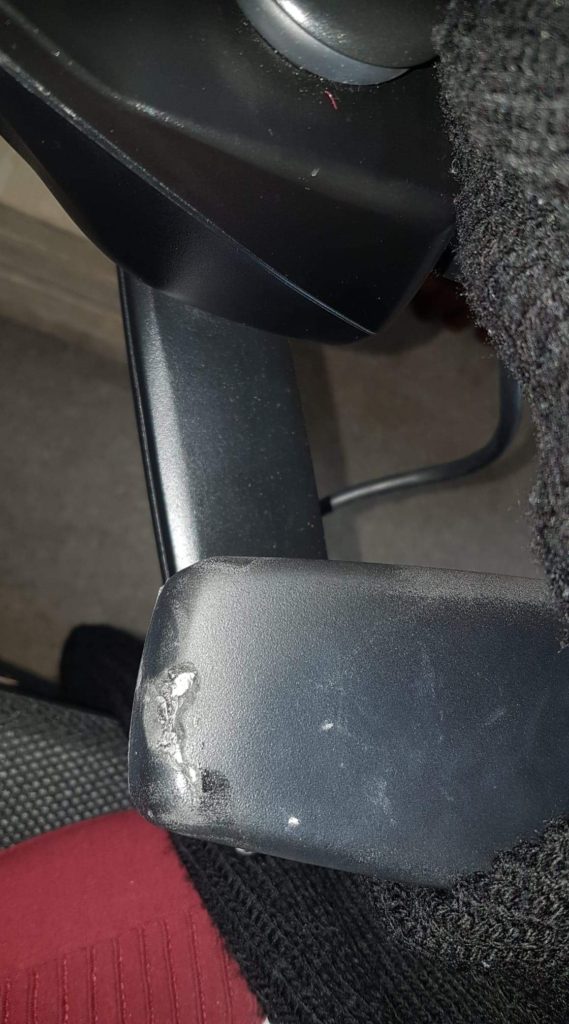
I really wanted flip-up armrests on my new wheelchair to make transferring easier. However, over the past year, the soft foam pads on the armrests have slowly disintegrated.

Bearing in mind how expensive this equipment is, and how long it took to raise the necessary funds, I take good care of my wheelchair!

I have repeatedly attempted to patch-up the armrest pads with super glue. But they are now in a state of non-repair.

Considering the price and the fact that the wheelchair is only 15 months old, I am really shocked and disappointed with the product.

The wheelchair itself is great. The armrest pads are total crap!

I bought the wheelchair from a company called Better Mobility.

I cannot fault their customer service or the assessor who bought a number of demo chairs to my home to try prior to purchase. He was very knowledgeable, patient and not at all pushy (as some sales rep’s can be).

However, I find the quality of the armrest pads to be extremely poor.

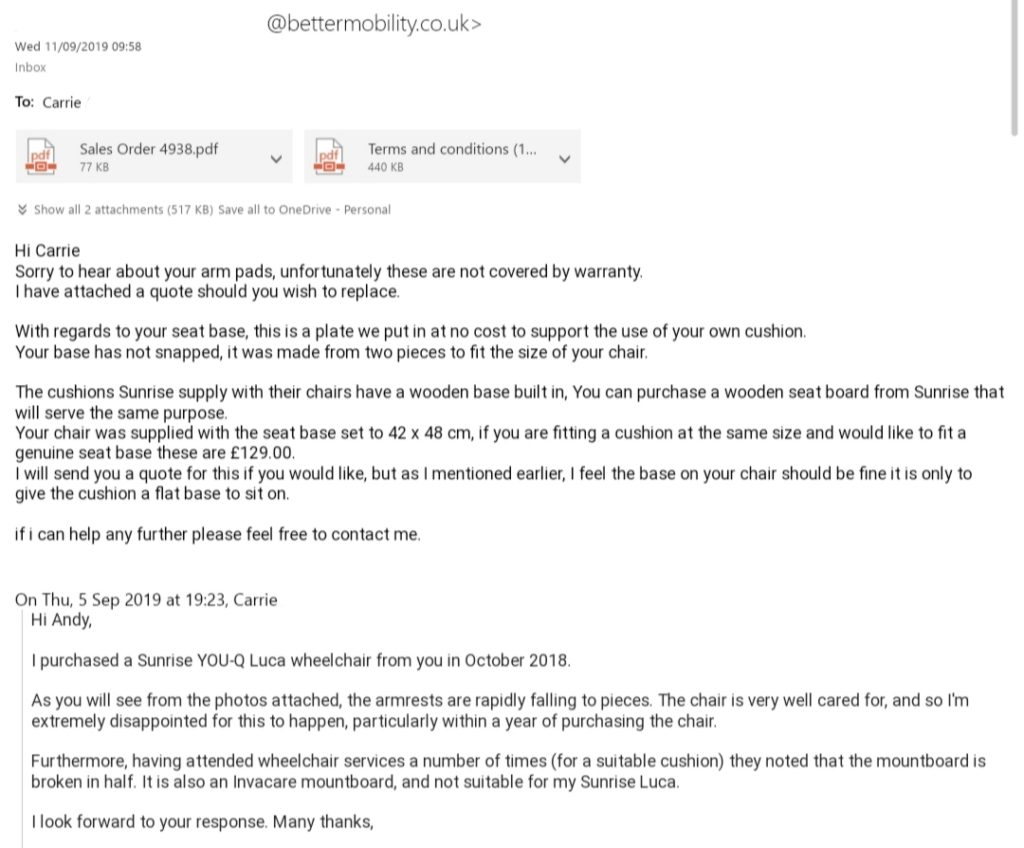
As you will see from the image below, to replace them will cost an additional £83.40 – a rather hefty sum to replace an item on a relatively new powered wheelchair!

I am reluctant to pay the £83.40 to replace the armrest pads, particularly as they are likely to disintegrate again within a few months. In the meantime, I am left with an unsightly product that is literally falling to pieces.

Please share!

Physical Health & Mental Health

Physical disabilities/impairments and mental health issues are not mutually exclusive!

Many people, like me, living with disabilities and chronic illnesses are affected by stress, anxiety or depression at some point in their lives.

This is not to say that the disability/impairment, whether temporary or permanent, is the primary cause of the mental health issue. It could be a contributing factor, or they may be completely unrelated. You might just be super lucky and have been blessed with both – Double whammy!

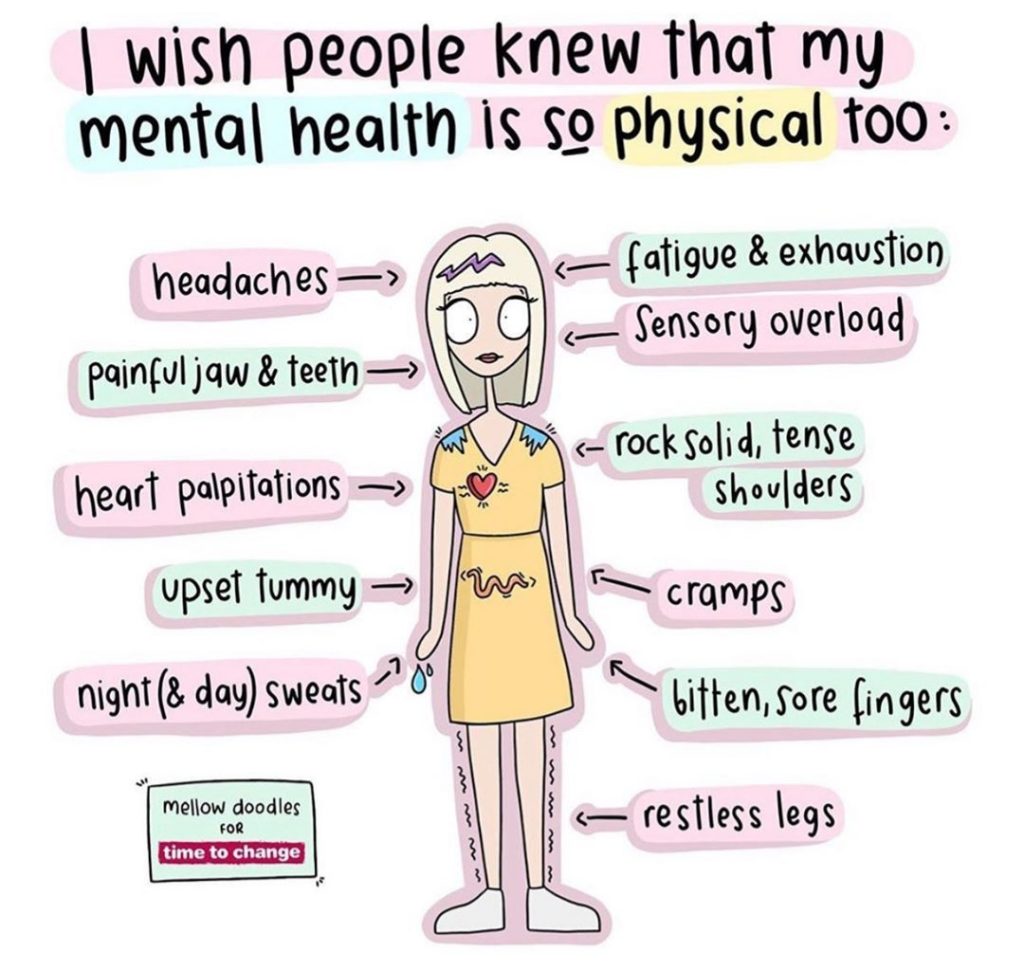
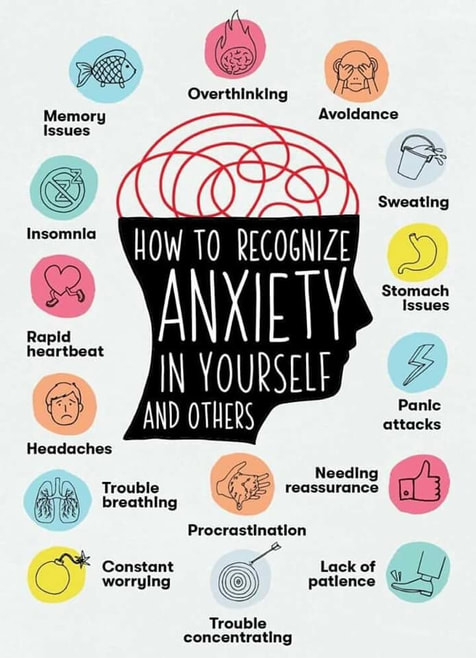
Equally, those struggling with their mental health will often (if not always) experience physical side effects, such as headaches, fatigue, insomnia, restlessness, nausea and chest pains.

Essentially, what I’m saying is, the mind affects the body and so the body affects the mind.


My Disability & Point of View

I was born with a rare form of muscular dystrophy – a physical disability – that has progressed over time. I am now a non-ambulatory wheelchair-user, having lost the ability to walk at age 10.

My condition has a considerable effect on my body and physical capabilities. With the best will in the world, there are many things I cannot do.

For example, my older brother is very fit and able-bodied. He has travelled the world and often goes trekking through the countryside and climbing mountains.

Last year, he and some mates completed the Three Peaks Challenge in aid of Muscular Dystrophy UK. Gruelling and possibly a little bit crazy, considering the 3 lads did all the driving themselves – but wow!

I often wish I could be out there with him. It might not be everyone’s cuppa, but it would be nice, just once, to experience that sort of thrill and adrenaline rush. A real physical accomplishment whilst being in the midst of nature.

But, I can’t. And I never will. Of course, this gets me down and impacts on my mood. Yes, I wish I could walk, run, dance, be completely independent and spontaneous. But I can’t. I am limited and reliant on support from others to live my life. This is something I have no choice but to accept.

There is no treatment, no cure, and no pill I can pop to help the situation. For lack of a better phrase, it is very much a case of, deal with it!

I cannot control my disability or how it affects my body. Therefore, it is important to focus on the things I CAN do and control.

I can’t dance, so I like to watch the dancing (yes, I’m a sad, old Strictly fan. Don’t care!)

I can’t drive, so I have a passenger WAV (wheelchair accessible vehicle), which allows me to get out and about.

My Motability passenger WAV (Wheelchair Accessible Vehicle)

I can’t walk or run, so I roll (with style)!

Admittedly, I’m pretty crap at sorting my own problems out. So I tend to focus on other people’s 😂 Not necessarily a good thing, but there ya go!


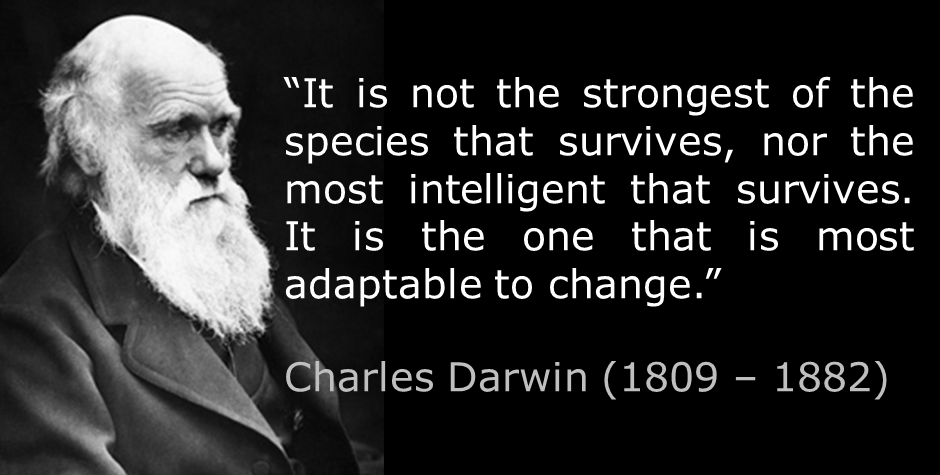
Living with a physical disability is a way of life. It is inflicted on us – we have not chosen this path. Similarly, living with a mental health illness is a way of life. So what you gonna do? ADAPT or Die!

Conversations about Anxiety

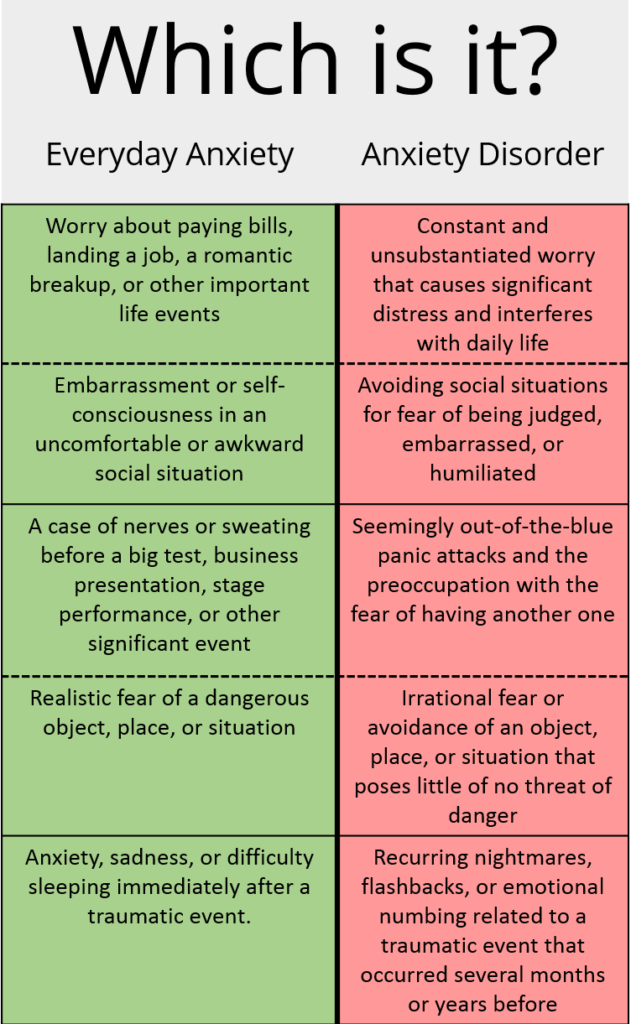
This morning, I had a conversation with a friend about anxiety. (It’s good to talk, folks!)

We all experience anxiety to some degree. I know I do. I worry about certain situations and often place far too much emphasis on what others think of me. But I’m gradually accepting that these things are out of my control. So why worry?

My friend, (let’s call her Brenda!), was absolutely fine when she got to mine, though her anxiety had flared up earlier causing her to overreact and behave irrationally. As she put it, she “catastrophized”. The fact she’s aware of this is, in itself, a positive sign.

Brenda has various mental health issues resulting from personal trauma. She takes antidepressants, antipsychotics and is undergoing counselling.

For a LONG time she buried her issues and tried to carry on as usual. This culminated in Brenda becoming very ill and unable to cope with everyday life. It was only at this point that she sought medical support and realised that what she was experiencing isn’t “normal”.

I asked Brenda what happened this morning to cause her to overreact. Her parents have bought a wooden toy kitchen for her son, which wasn’t in the plan. It’s a Christmas present Brenda specifically told her mum not to buy. Not a big deal, you might think. So I asked, “why did it bother you so much?”

Control. The situation was taken out of her control and this triggered Brenda’s anxiety.

She worried her son wouldn’t like it.

She worried he would like it too much.

She worried he might be teased/judged for receiving a stereotypically girly toy.

She worried about the cost.

She worried that he would prefer the toy kitchen to the gifts she has bought for him.

She was overthinking the whole situation. But she knows this. So once her anxiety subsided a little, she removed herself from the situation, went home, shut herself away and had a nap. Anxiety is mentally and physically exhausting!

It’s only through therapy and counselling that Brenda is learning to recognise her triggers, symptoms and manage her anxiety. She can better organise her thoughts, respond to her feelings and differentiate between what is real and unreal.

She summed up her anxiety in one simple phrase ~ fear of the unknown. I’d never thought of it this way. But it makes a lot of sense!

One of Those Days…

Nosey Bints, Parking Tickets and Frustrating Phone Calls

They say bad luck comes in threes…or is it multiples of three? 

I’m generally fairly tolerant with day-to-day annoyances and ignorant people.

As a wheelchair-user, I’m used to complete strangers who feel entitled to stare or approach me for interrogation. They tend to be so ridiculous I choose to simply laugh it off.

Don’t sweat the small stuff, right.

But there are also times when my patience is wearing thin. Some days, I’m just not in the mood!

Today is one of those days.


I attended a routine hospital appointment and parked my Motability WAV in a disabled bay, with my blue badge clearly displayed, as usual.

As I reversed out of the WAV, I heard a woman stood directly behind me shouting, “I’m just having a nosey inside!”

*Cue eye-roll* Oh, feck off, lady!

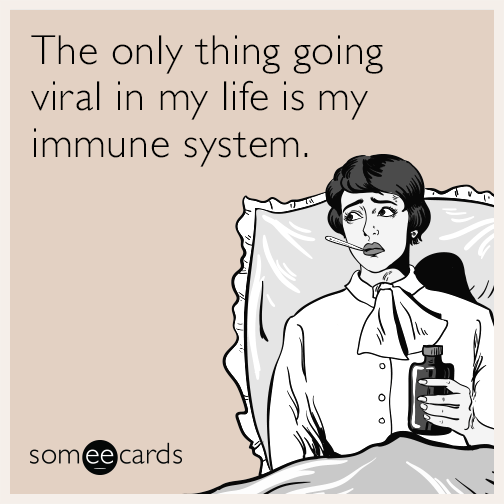
I then waited in a small room crammed full of virally infested patients for well over an hour, only to be told the nurse I was due to see went home sick hours before. Which begs the question – why not inform me of this on arrival?!

I waited a further half an hour to be seen by another nurse. At least it wasn’t a wasted journey, I guess.

Having returned to my car, I was ever-so-slightly pissed off to find a parking ticket!

As soon as I got home, I logged-on to check out the meaning of this fuckery. As I suspected – no reason for issue, no explanation and no photo evidence.

Needless to say, I wrote a strongly worded appeal. Under no circumstances will I be paying this unjustified “parking charge”. No, just no!

Shortly after, I received a phone call from the CHC (Continuing Healthcare) department who claimed to have made a personal care payment back in the summer. They didn’t.

I won’t go into details (it’s a long story!) But my battle with Continuing Healthcare has been a lengthy and stressful one, with absolutely no benefit.

Okay, putting things into perspective, this isn’t the end of the world! I’m now sat watching cartoons with my beaut of a nephew. So it aint all bad!

As I say, some days you’re just not in the mood.

Tomorrow will be kinder…we hope!

Anyone got any rum??

Cough & Cold Season

A Life Update | Muscular Dystrophy & Chest Infections

Once again, I’m out of action with a chest infection. Although unpleasant, this isn’t generally a concern for the average person. But for those like me who live with a neuromuscular condition (in my case, UCMD, a rare muscle-wasting disease) a chest infection is not to be taken lightly. It can develop scarily quickly and lead to more serious complications such as life-threatening pneumonia.

I have always struggled with chest infections. Every time I catch a common cold, it heads straight to my chest. As a child this necessitated a course of banana medicine (Amoxicillin), chest physio and a week off school (okay, so it wasn’t all bad).

As I have aged and my condition has deteriorated, I now find chest infections much more difficult to cope with. It can take me a month, sometimes longer to get back to any sort or normal. In the meantime, life comes to a complete standstill.

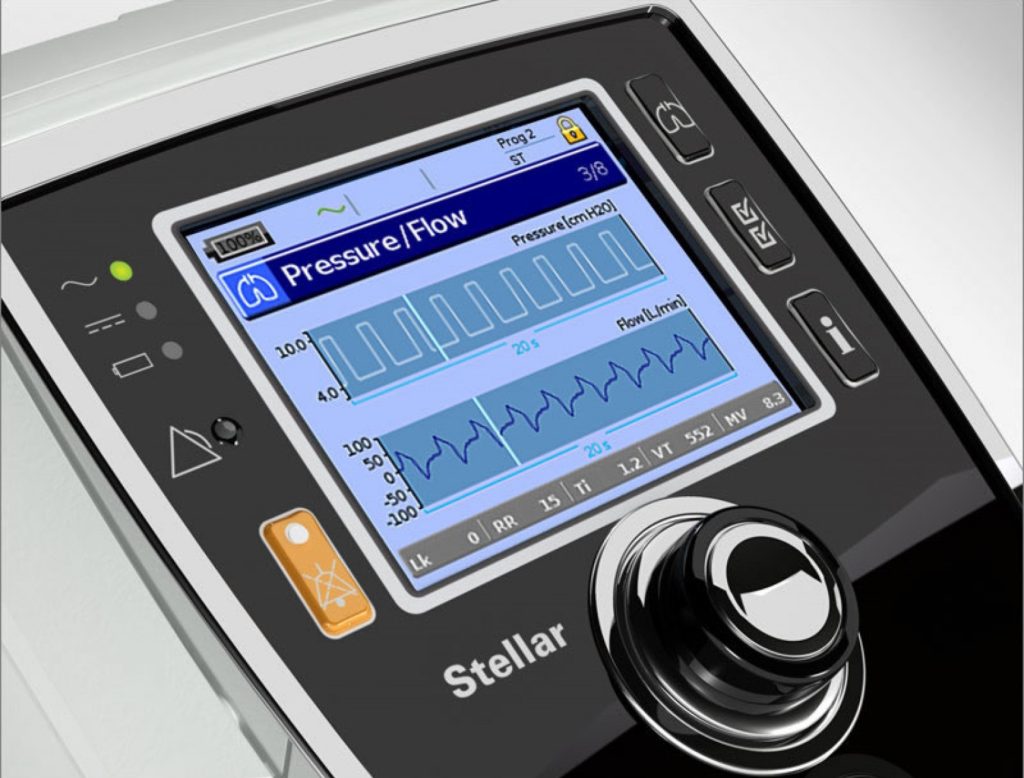
Due to the severity of my impaired lung function, I struggle to cough effectively and clear secretions, making the seemingly simple act of breathing incredibly difficult. As a result, I become totally reliant on my BiPAP machine, and find removing it for a mere 10 minutes a major challenge.

BiPAP machine ~ noninvasive ventilation

When I feel myself getting ill, I throw everything at it:

• Antibiotics
• Steroids
• Expectorants
• Nebuliser
• Respiratory physio
• Rest
• Stay hydrated and eat as much as possible for energy and sustenance
• BiPAP to support breathing

But in the end, for me, it really is a case of waiting it out and remaining as positive and defiant as possible.


Obviously, this is just my personal experience. There are many forms of muscular dystrophy, and each individual reacts and responds differently to respiratory illness. But one thing is true for all of us –

chest infections are no laughing matter!

You may often see members of the NMD community banging on about infection control and the importance of the Flu jab, and with good reason! For us, this really is a matter of life or death.


Related Blog Posts:

Top Tips: Staying Well in Winter

Emergency Care: My Experience

Abulance Action | MDUK

Lost Time | Chronic Illness

Muscular Dystrophy | A Guide for Parents

Guest Post | NHS Funding

Resource Allocation: A classic medical ethics topic that often rears its head in the inevitable reality of working in a cash-strapped public healthcare system.

Should the NHS fund this new expensive treatment for a rare disease?

Should the government pay for a new experimental cancer treatments?

Should X procedure be on the NHS, or Y?

The list is endless.

This blog covers a few basic ideas and concepts for you to broaden your understanding of why things are done as they are, enhance your opinion and help you think of the bigger picture.

Utilitarianism

One way of analysing resource allocation is using a utilitarian approach. Utilitarianism describes the moral theory that the most moral action is that which maximises the happiness (or in this instance healthiness) of a population. This seems quite a nice logical and fair systematic approach, but has one major drawback.

How do you quantify the benefits gained from a specific treatment?

Fortunately, Alan Williams, a health economist calculated a measure for doing this – the Quality Adjusted Life Year. This system described not only the length of life a specific treatment can give a patient, but also factors in the subjective quality of that life.

Interestingly, some of the ‘best’ treatments by this system including cataract surgery and hip replacements, owing the massive improvement in life these can bring (even though they are rarely viewed as life extending). However, despite quantifying the ‘best value’ treatments, this system still has its drawbacks.

Firstly, many argue that this system ignores both the old, and the chronically ill. The old will have fewer ‘life years’ per treatment and the chronically ill will have a lower ‘quality of life’ per treatment by this system, and will thus lose priority in this system.

This a great concept to think about as many new drugs are for specific diseases, which are often rare and chronic, or those which affect the elderly. Secondly, ‘quality of life’ is a highly subjective term, and, although this system goes someway to quantify it, the end result is still a subjective rating score.

Egalitarianism

Another way of analysing these topics are through an egalitarian approach. This theory states that resources should be distributed equality unless an unequal distribution would work to everyone’s advantage. However, in reality, there is not unlimited funding and therefore equality of distribution means that expensive treatments (the new drugs often featuring questions) could not justifiably be funded.

This approach does promote a decent minimum standard of care (good for everyone) and some argue that more expensive treatments can be funded elsewhere. For example, charities and private companies could find a place in an egalitarian healthcare system to fund more niche treatments.

Libertarianism

Another viewpoint worth nothing (though one which many, especially in the UK, would be against) is that of libertarianism. This system states that healthcare should follow individual liberties and free market principles – i.e to be privatised. This is an interesting viewpoint to discuss, but, given the many drawback of private healthcare and the NHS in the UK, it’s not one we in the UK really consider.

So, there we have it, a few basic approaches to the classic question of ‘should we fund this expensive new drug’.


This guest blog post is provided courtesy of writer Adi Sen, from the website UniAdmissions.

Disclaimer: The views and opinions expressed in this article are those of the author (UniAdmissions), and do not necessarily reflect the official policy or position of myself or any other organisation.

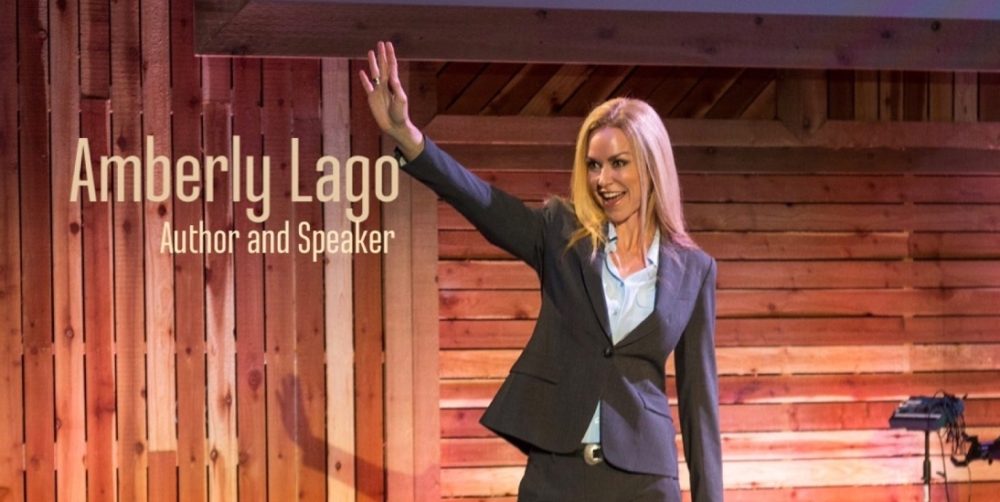
Interview | Author Amberly Lago

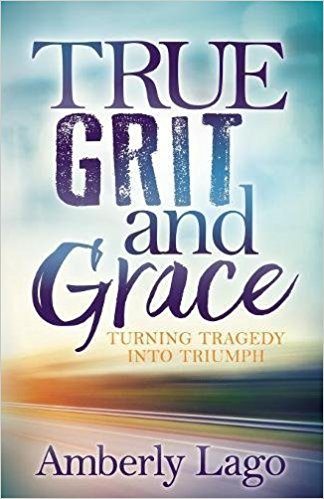
True Grit and Grace: Turning Tragedy into Triumph

Former athlete and professional dancer Amberly Lago suffered a horrific motorcycle accident in 2010, which severed her femoral artery and shattered her right leg almost beyond repair.

Despite her debilitating, life changing injuries, Amberly has transformed her life and is now a fitness trainer and motivational speaker, inspiring thousands with her resilience and ability to thrive.  

In her remarkable memoir, ‘True Grit and Grace’, this Texas girl instills hope to keep moving forward by sharing the tools and strategies that have worked for her.

The determination, defiance and gratitude she demonstrates encourages readers to find resilience in their own difficulties. By refusing to give up, Amberly has admirably commited herself to regaining her active lifestyle, thereby proving it is possible to hit rock bottom and still find the strength to get back up.


1. Amberly, could you please tell us how your disability affects you and how you continue to cope with ongoing, chronic pain?

Following my motorcycle accident in 2010, I was diagnosed with Chronic Regional Pain Syndrome. CRPS is known as “the suicide disease” because it causes constant chronic pain. It’s ranked highest on the pain scale and has no known cure. When I was first diagnosed, I was told I’d be permanently disabled and wheelchair-bound.

At first I lived in denial and pretended nothing was wrong. Behind my smile, I was dying inside from physical and emotional pain. Everything I read about CRPS left me feeling hopeless. Still, I continued moving forward, despite the feeling of a vice grip on my foot and battery acid through my veins. I tried every kind of treatment for my pain, including a spinal stimulator, nerve blocks, ketamine infusions, Eastern and Western medicine, and anything that claimed it could bring me relief.

It wasn’t until I accepted the fact that I had CRPS and what I call my “new normal” that I began to show myself the self-love and self-compassion I needed to start to feel better. I wish I could tell you I found some magic pill or movement that relieves my pain, but the truth is, every day is different, and so are my pain levels. What works some days doesn’t always work the next, so I just keep trying, and doing, and praying.

When I am in pain, I go through my list of helpful tools. There is no particular order.

I practice mindfulness, meaning I do whatever I can to stop thinking about and focusing on my pain. I surround myself with positive people. No more doggy downers, only puppy uppers!

I count my blessings and practice gratitude.

I give myself permission to rest on a flare day and remember that I am doing exactly what I need to do. I am recovering.

I eat an anti-inflammatory diet.

I am on a sleep schedule (and yes, this means that I have an alert on my phone that tells me when it’s bedtime).

I am still learning to meditate.

I breathe deep breaths.

I pray.

I do everything I can to be of service to others. When you focus on the well-being of others, your self-pity disappears as you improve the quality of someone else’s life.

Then I repeat. Instead of allowing my pain to make me bitter, I do my best to appreciate everything I have, no matter how big or small. I will focus on the good in my life and let that be my medicine.

2. You endured incredibly trying times prior to your motorcycle accident, including parental divorce and sexual abuse. How has maturity and resilience helped you since your accident?

I learned from a young age to “cowgirl up” because at the time, there was no alternative. Dwelling on why reality wasn’t prettier wouldn’t have done a thing for me. It would have crippled me then, preventing me from achieving everything I wanted to and crippled me years later when I was actually crippled, preventing me from choosing nothing less than recovery. As weird as it may be to say this, I believe the pain and isolation I felt in those difficult times as a child were an ironic blessing of sorts. When you know from an early age that you’re on your own and can rely only and entirely on yourself, it’s as liberating as it is sad. But if you can take the sadness and self-pity out of it, then what you’re left with is a liberating sense of freedom—and, when trauma strikes, you don’t waste any time looking for someone to bail you out.

3. How and why did you choose to ignore and defy the doctor who abruptly told you that you would never function normally within society, not walk again?

Call it my stubbornness or my love of a good challenge or being in complete denial, but I wanted, more than anything, to chase after my daughter like a mother should and be free to do the things that make my heart sing, like hiking and exercise. Just because my body was “broken” on the outside, I was still the determined athlete on the inside. I learned to truly listen to my body and to be the healthiest I could be, despite my circumstances. We may not get to control what happens to us, but we can control how we react to it. So, getting on with my life was a series of three steps up (to the degree that I could take steps) and six steps back, both physically and emotionally. Every one of my surgeries, that totaled 34, I viewed as bumps in the road. I couldn’t think of them as anything but that. If I had, I would have given up. And nothing, not even a doctor’s advice, could get me to do that. Although I love my doctors, I had to think for myself when it came to my own health and happiness.

4. Understandably, you experienced severe depression following your accident. What was the turning point for you?  And how do you find strength and energy to turn such despair into positivity?

Somewhere in between surgeries number 28 and 34, I mentally spiraled into a deep, dark depression. I could feel myself giving up and giving in to the pain, and in that moment, I thought about my beautiful children, my family, my friends, and my clients, and realized I had better make a decision. I could go down the road of despair or down the road of peace and happiness. I immediately threw myself into a place of gratitude for all I did have in my life. Every time a negative thought crept into my mind, I replaced it with something I was grateful for. I threw myself into physical therapy and stayed active with my fitness clientele. Even though I couldn’t physically train them at first, I could still create their exercise plans and coach them over the phone. Being of service really took me out of my despair and gave me a sense of purpose and a strong feeling of connection.

5. Complex Regional Pain Syndrome (CRPS) is also often referred to as “the suicide disease” due to the fact so many sufferers take their own lives. How did you overcome the odds and move forward in order to achieve your goals and live life to the fullest?

My heart sank the first time I learned I had what is known as the suicide disease. When I found out I had an incurable disease that would leave me in constant chronic pain, I defaulted to denial; it took me years to accept that I am a woman with a disability. It wasn’t until I completely accepted my disability that I could begin to heal—not only physically, but emotionally and spiritually as well. I focus on what I can do and don’t get caught up in past accomplishments. I celebrate small victories along the way, whether being able to walk up the stairs on my own or walk on the beach with my family. I only look back to see how far I have come. I connect to my higher power every day and pray. Instead of letting my chronic pain detour me from my endeavors, I use it as a tool to connect me with others going through challenges and am reminded that I am not alone on this journey.

6. Throughout the book, you discuss the need for hope, acceptance and gratitude — to be thankful for all you have rather than looking to the past and what you have lost. Do you feel this is the key to getting the most out of life?

At first I was so caught up in my past accomplishments that I couldn’t live fully in the present moment. I went from being a dancer, athlete, and fitness trainer to fighting just to stand upright for a few seconds at a time. I was so embarrassed of my scars and tried to pretend that nothing was wrong with me. Allowing others to see my scars crushed me. Slowly, however, my perspective changed and I took ownership of my story. I then viewed my scars as battles I had won. Instead of looking down at my leg in anguish, I looked at it as a blessing. I still had my legs. Once I embraced my imperfections and learned self-acceptance, I truly began to heal and be comfortable in my own skin.

Without the traumas and heartbreaks of life I wouldn’t be able to serve the way I do now. It’s not about circumstances but about what you decide to do with them. I focus on what I am grateful for and don’t leave any room for self-pity. I make my purpose bigger than my problems.

As Albert Einstein said, “There are only two ways to live your life. One is though nothing is a miracle. The other is though everything is a miracle”. I believe in miracles.

7. Your role as a wellness coach and motivational speaker involves supporting, inspiring and advising others. Why is this so important and how does helping other people through their difficulties benefit you personally?

I wanted more than ever to get back to my passion, which is working with people, but I did wonder who would want to train with me. I felt broken. I trained fitness competitors, boxers, and CHP officers for years—and then I found myself on crutches. I now needed my clients more than they needed me. I needed to get back to work. I needed to give my life purpose above and beyond trying to walk again. Purpose was what would save me mentally, psychologically, spiritually—and, for that matter, physically. Purpose was what would get me on my feet and, someday—as I prayed—running again. I did whatever I could to get myself stronger—and then came the miracle. Business began booming, and did so quickly because people saw me in the gym, in my wheelchair or on crutches, even pushing myself from station to station in a wheelchair. I became the trainer of encouragement who told people, Yes you can! and that was how I trained them. Speaking to groups of people, whether a gathering of youth or  business professionals, about overcoming obstacles is a way of connecting, and when people connect, magic happens. I believe we need to lift others up to be better ourselves.
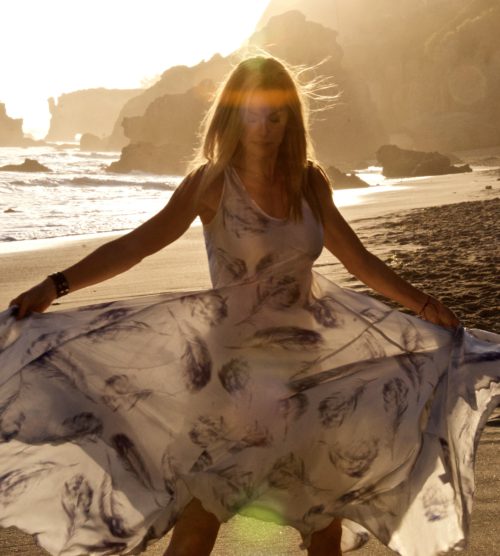
8. What do you hope readers will take away from reading your book?

What I have learned in life is a series of choices we make regardless of our circumstances. I could either make the choice to give up and let my life be determined by my circumstances, or fight to create something positive out of my situation. My choice is to notice the gifts life offers, which are particularly plentiful when you look for them. I believe in seeing the good in every situation and learning something from it.

I believe we can have the life we have always imagined, even if our circumstances have narrowed our possibilities. My sincere wish is that my story will help each reader claim their own power and belief in themselves and their dreams, and find their own resilience to move forward and choose a life filled with laughter and love, even when things don’t go as planned. We can’t choose what life throws our way, but we can choose to be happy and live a full life, despite our circumstances. Through our trials, we can embrace our challenges, connect to our innermost resilience, and change our perspective on life. We are all strong, but together we are unstoppable!


I’d like to thank Amberly Lago for taking the time to answer my questions so considerately.

Please visit her website to learn more about her life and work as a motivational speaker.

TRUE GRIT AND GRACE: Turning Tragedy Into Triumph by Amberly Lago (Morgan James Publishing; April 17, 2018) – Available to buy now from Amazon.
Please follow me on Twitter and Facebook

The Winter Edit: Part 2

5 Tips to Stay Well through Winter

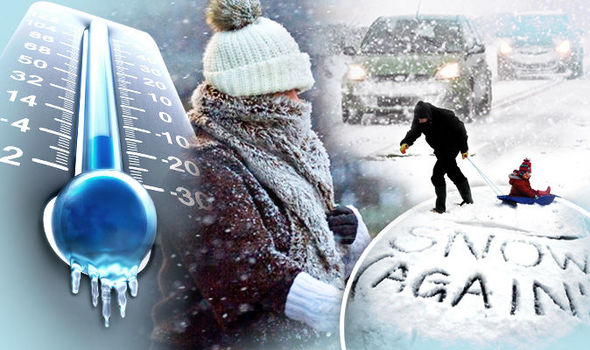
The dark nights are drawing in and the weather is turning increasingly colder. The harshness of winter fills many disabled people, myself included, with dread.

How can we best prepare ourselves for winter?

We are 80% more likely to catch a cold during winter.

Bearing that in mind, here are my top tips to stay well and defend yourself against those nasty winter viruses.

Click here for Part 1 ~ Top Tips to Keep Warm through Winter!


1. Stock up on supplies:
Medication –


• It’s always advisable to keep a stock of essential supplies in your home. Several factors, including adverse weather, can prevent you from getting hold of medicines at short notice.
• All my medications are on repeat prescription so that I don’t have the bother of getting hold of a GP every time I need something.
• As someone with Ullrich congenital muscular dystrophy, a common cold for me can develop scarily quickly, and so I ensure there’s always a reserve of antibiotics at home, should I need them.
• It’s important to go and get your Flu jab annually and, where relevant, the pneumonia vaccination. Don’t leave it too late to protect yourself from influenza – it takes two weeks from the time you’re injected for your body to build up an immunity.

Contacts –

• It’s good practice to have a list of contacts, in case of an emergency. Include medical professionals (e.g. doctors, consultants, physiotherapists and hospital ward/department direct lines) so that you or your next of kin can contact, should you become ill. Keep your list somewhere easy to find, such as on the fridge, and make copies!

2. Nutrition:

• I choose to take supplements including a daily multivitamin and probiotics, in order to boost my immunity. Supplements come in various forms: tablet, capsule, liquid and powder. If you struggle to swallow pills, there’s always another option out there for you.
• I’m not a fan of water, so I drink a lot of herbal teas, such as lemon and ginger, to keep me hydrated and flush out toxins. Both ingredients are naturally antibacterial while ginger also helps ease migraines, inflammation and nausea (the latter being a common side effect of antibiotics). Add some honey for sweetness and to soothe a sore throat.

• I find smoothies and soups are an easy way to get your recommended allowance of vitamins and minerals. It’s really important to eat healthily to aid your bodies defence against all those coughs and colds circulating throughout the winter months. Remember: you are what you eat!

Top Foods: lemon, ginger, garlic, onion, kale, cinnamon, turmeric, honey, apple cider vinegar, grapes, natural yoghurt and chicken soup.
3. Cleanliness:

• I keep a little bottle of antibacterial hand gel in my bag (you can buy them really cheaply from most shops nowadays). I use it when out and about or using public transport. It’s a simple way to prevent the spread of germs from surfaces and person to person.
• It’s stating the obvious but wash hands with soapy water and maintain clean surfaces within the home. It’s often difficult to prevent all members of a household becoming ill when one gets sick. But simple precautions such as this could make all the difference.
• Grab yourself a few packets of antibacterial wipes and remember to clean phones, remote controls, computer keyboards and door handles regularly. You’d be amazed how much bacteria harbours there.
• Be considerate and try to cough and sneeze into a tissue rather than the air. It’s a good idea to keep plenty of tissues in stock. Please don’t do what my Dad does and carry a snotty cotton handkerchief around with you all day – bleurgh!
• Replace your toothbrush after you have fully recovered from an illness.

4. Physiotherapy:

• It’s beneficial to stay as active as physically possible, particularly throughout winter as immobility makes us more vulnerable to infection.
I am completely non-ambulant and so this is a major issue for me. Immobility results in muscle decline and poor circulation, which in itself leads to further complications.
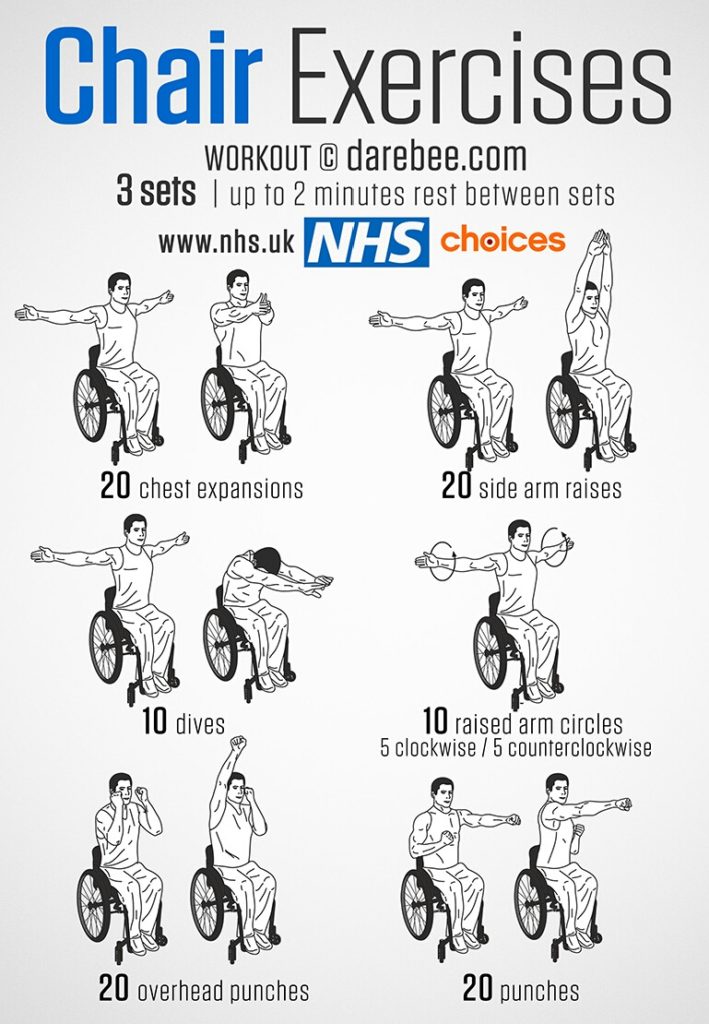
• Although I cannot exercise in a conventional fashion, I basically wriggle and move about as much as I can. For example, I flex my feet & wiggle my toes, lean back and forth and side to side in my chair. Don’t be afraid to put some music on, loosen up and just MOVE however you can, for as long as you can.
• If you are able, go swimming as this is the best exercise for those with physical disabilities.
• Remember to pay attention to your lungs! Deep breathing exercises are an essential daily requirement for me. Following the Active Cycle of Breathing Techniques (ACBT) helps to keep me as strong as I can be.

5. Avoid Germs:

• I am particularly susceptible to respiratory viruses. If I go anywhere near someone with a cold, 9/10 I will catch it. For me, a common cold can quickly progress into a much more serious condition, I do my best to limit exposure to infected people.
• I avoid overcrowded spaces and public transport when I’m feeling run-down, whilst taking and shortly after a course of antibiotics as this is when my defences are the lowest.
• At times when coughs/colds are prevalent within the local community, I try to stay away from enclosed public places e.g. trains, buses, cinema, supermarket/stores, pubs, clubs etc.
• If you must go out, remain in the fresh, open air (but wrap up warm).
Wear a scarf when out and about. When necessary, I can use it almost like a mask, pulling it up over my face. This prevents me from inhaling and contracting airborne viruses.
• Why not add a few drops of Olbas Oil (eucalyptus) to your scarf. That way, when you do need to pull it up over your nose and mouth, you can breathe in the fresh scent and it won’t feel stuffy.


I really hope this was helpful! Please SHARE this blog post so that others may benefit.

I’d love to hear from you – what do you do to stay well throughout winter?