Interview | The Trailblazing Women of Muscular Dystrophy UK

5 Questions ~ 3 Influential Women

Emma Vogelmann (left) with Lauren West (right)

Lauren West, Trailblazers Manager

Michaela Hollywood, Co-Founder

Emma Vogelmann, Employability Officer

Michaela Hollywood (centre, front) campaigning with MDUK

1. What is your disability and how does it affect you?

Lauren West: I have SMA (spinal muscular atrophy) Type 2. I’ve never walked independently and got my first powered wheelchair at the age of two and a half.

Despite the severity of my SMA, I passed my driving test, went to university three hours from home, and moved to London to start my working life. I now still live in London with my partner and with support from live-in PAs who do all my personal care and domestic tasks.

Michaela Hollywood: I have SMA (spinal muscular atrophy) Type 2. I commonly say that I can do pretty much nothing without assistance except speak! Although, I have recently learned to drive using hand controls.

Possibly the biggest impact of my SMA is my breathing and the impact of chest infections, which can make me sick quite often. I’m also deaf, and have pancreatic insufficiency which affects my ability to digest food, and that can cause a lot of pain and fatigue. My motto is; I can drive a van, and boil a kettle but I can’t make a cup of tea!

Emma Vogelmann: I have SMA (spinal muscular atrophy) Type 2. I’m a full-time electric wheelchair-user and since contracting Swine flu in 2009, I also use a portable ventilator via a tracheotomy.

2. How and why did you become involved with MDUK Trailblazers, and what is your role?

Lauren West: I became involved at the very start of Trailblazers, after I left the Whizz-kidz Kids Board. I felt I had a campaigning void in my life after leaving the board, so I was really excited when I heard about Trailblazers. For a long time, I was the only Welsh Trailblazer and so I formed a great bond with the original team, Bobby and Tanvi.

I stayed involved throughout university through participating in work experience and attending events like APPGs. I was delighted after a few years in different jobs to be offered the role as Campaigns Officer, as I’d always wanted to work for Trailblazers. It was then super exciting to take up the role of Trailblazers Manager at the beginning of 2016.

Michaela Hollywood: I was involved with Trailblazers from the very beginning, before it even started!

I was at a MDUK Family Weekend when I was 16, and, because of my disability and access requirements, I couldn’t book tickets to see the band McFLY perform in my local arena. Consequently, I spoke to the then Chief Executive of the charity Phil Butcher, and said we need a “young people’s forum”. My idea at the time was that those of us with a muscle wasting condition have powerful voices that weren’t being heard, and too many non-disabled adults were making decisions that affected our lives without even thinking of consulting us. And out of that Trailblazers was born!

I volunteered for the first number of years, and directed the organisation from Northern Ireland for a year before it became official. I went to university and did my undergraduate degree in Public Relations, followed by a Masters in PR and Communications, specialising in political lobbying. I then joined the team from home in Northern Ireland a little over 3 years ago.

Emma Vogelmann: I was invited by MDUK to a Parliamentary roundtable meeting about disability employment. I really liked that a prominent charity was directly engaging with young disabled people and their lived experiences. After that, I asked if there were any opportunities to get involved with the organisation which led to a 4 month internship with the Campaigns team. I absolutely loved it, so when the role of Employability Officer was advertised I knew I had to apply. The rest, as they say, is history!
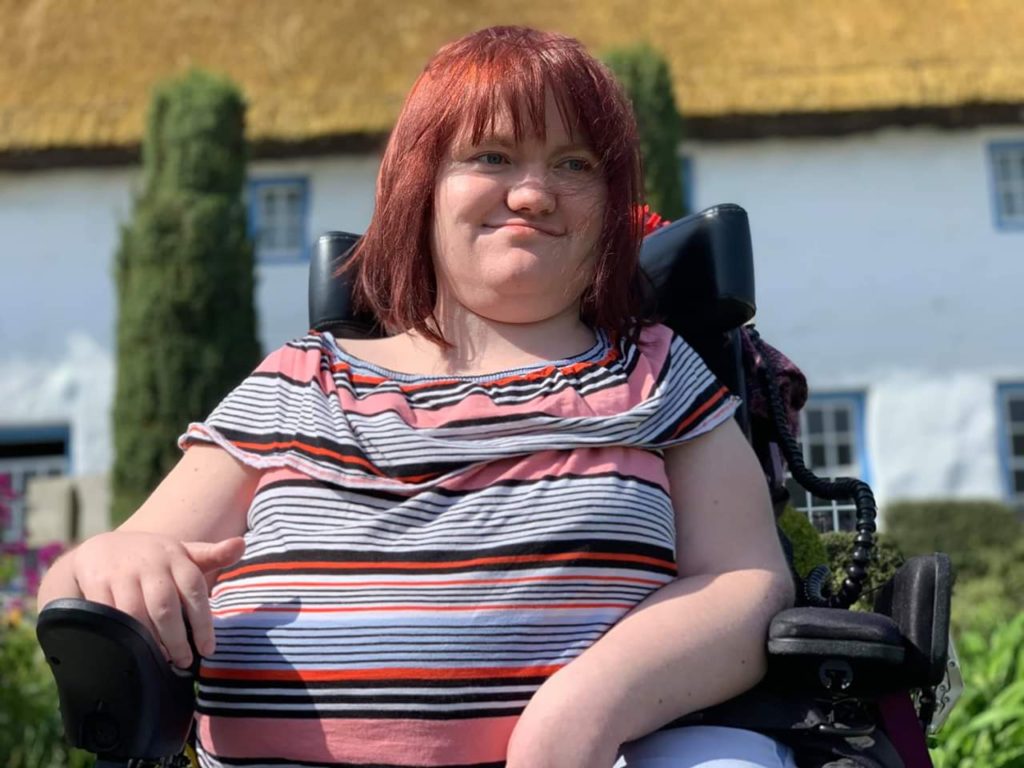
Michaela Hollywood, who has SMA Type 2

3. How do you feel about being an influential career woman with a disability? Has your disability made you more determined to pursue your career goals?

Lauren West: I don’t think I would describe myself as an influential career woman but if I am seen that way, then that’s a real honour.

I think my disability has made me much more determined in all parts of my life, not just my career. I have always been quite driven and even when I wasn’t sure what career path I wanted to follow, I knew I wanted to do something that made a difference.

But I genuinely think there’s been one driving force behind my ambition and that was a social worker who was sorting out my university care package. She made an off-the-cuff comment about how when I was done having fun at university, I’d come home and she’d help set me up on benefits in a little flat. Whilst this is needed for some, this is not how I wanted my life to go, but I knew I’d face similar beliefs and attitudes throughout my whole life. So I was determined to fight against that societal expectation.

Michaela Hollywood: For me, I think it made my education very important. And it’s made me steely and determined. It’s a good advantage to be able to use my voice as communication is so important when your impairment is so physical. I’m proud to be in the position I am, and try to keep my focus on what I can do for others.

Emma Vogelmann: I never really thought of myself as an influential career woman in all honesty. I suppose you just crack on with your day-to-day work, so you never stop to think about it.

Now I am starting to see the impact my work has on other people, such as my employment work. I’ve seen the people involved in my project access jobs, find a careers mentor and so many other meaningful changes. That’s incredibly rewarding for me.

My disability makes me more determined to do a lot of things, but definitely in my career. Someone in a meeting I ran summed it up perfectly, “disabled people feel the pressure to be exceptional just to be considered equal to their able-bodied co-workers”. While this is not the culture at MDUK, I do feel that internal pressure to prove myself constantly. I’ve learned first-hand and from others that it is unfortunately really hard to enter the working world as a disabled person, so once you’re there you feel like you need to show your employer why they made the right decision.

Lauren West, who has SMA Type 2

4. In relation to employment, what challenges have you faced due to your disability, and how have you overcome these obstacles?

Lauren West: Throughout school and university, getting a typical student job just wasn’t on the cards for me. For one thing, I just didn’t have the stamina to study and work. But also the usual student jobs just weren’t physically accessible to me. I was worried that this lack of work experience would put me at a severe disadvantage for getting a job once I’d graduated.

I was lucky that Trailblazers found me an internship at my local MP’s office, so I did one day a week there for three months in my final year of study. I also did work experience at MDUK which gave me a great taste of living and working in London.

I was incredibly fortunate to secure a job in London prior to graduating from my Master’s degree. However, when this job turned out to not be what I expected and complete with a very abusive boss, I had real trouble finding a new job. I mainly applied to charities and many claimed to be part of the ‘two ticks scheme’ which offered guaranteed interviews for disabled applicants.

However, it was rare I’d even get called for an interview and it took many unhappy months before I was offered a role as a mental health advocate. The same year, I started working for MDUK and I love being part of a charity that values diversity and inclusivity.

I think the only way I’ve overcome challenges within employment is just through stubbornness and determination. I really think there are organisations out there for everyone but it can just take a long time to find the right fit.

Michaela Hollywood: The biggest one is my health. Self-care is important to keep me ticking over. I’ve been really lucky to work for a group I wholeheartedly believe in, and where we see real help and progress happening. I try to make sure others are afforded the same opportunities I have been lucky to have.

Emma Vogelmann: I struggled to find an employer willing to give me a chance after university. Of course, this is true for most graduates. But I do feel that being a disabled graduate made it harder. I remember asking Lauren West for advice before I started working at MDUK about when, where and how to disclose my disability, because I didn’t want to be counted out too soon for jobs, but I also didn’t want to hide something I consider a strength. I decided to always disclose my disability, though this is a very personal choice that isn’t necessarily right for everyone. I work within a disability charity, so it is extremely relevant to say I’m disabled, but I know a lot of people who aren’t comfortable with this and that’s completely okay too.
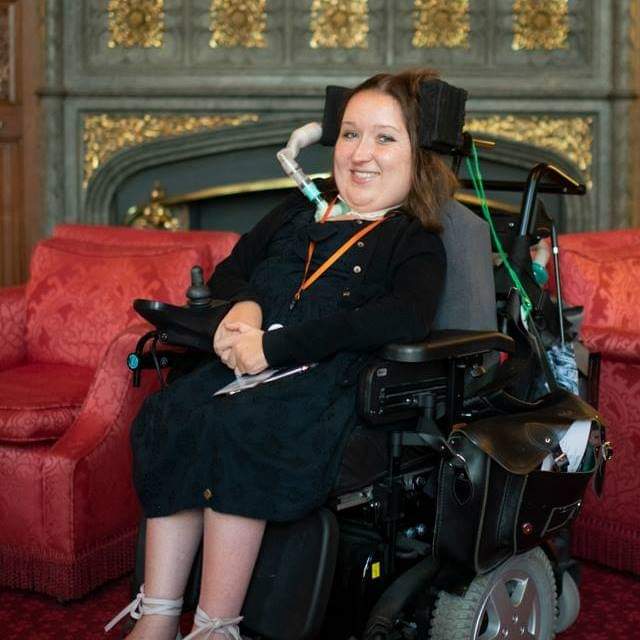
Emma Vogelmann, who has SMA Type 2

5. What is your proudest achievement?

Lauren West: In terms of in my career, I think it was being in charge of the Trailblazers’ 10 year anniversary celebrations.

As someone who was part of Trailblazers from the start, being able to bring those 10 years together through an incredible event in Parliament was just the best experience. Seeing over 100 people all in one room celebrating their successes of the past 10 years will be forever one of my best moments.

Michaela Hollywood: This is a tough one! My dad, Michael, likes to tell anyone and everyone he meets to “Google” me because he is so proud of what I’ve achieved.

In 2015, I was given a Points of Light award by then Prime Minister David Cameron, and a few weeks later was named on the BBC 100 Influential Women List. I think those few weeks were a definite highlight.

Emma Vogelmann: What a tough question! I suppose it would be winning my case against a taxi driver who discriminated against me due to being a wheelchair-user. It happened on my second day of work at MDUK and it was a difficult experience to go through. But to have two courts agree that wheelchair-users cannot be overcharged was a great feeling. I really hope it will empower other wheelchair-users to not accept discriminatory treatment from taxi drivers.
Many thanks to the brilliant Emma, Lauren and Michaela for answering my questions.

Interview | Singer-Songwriter with Muscular Dystrophy

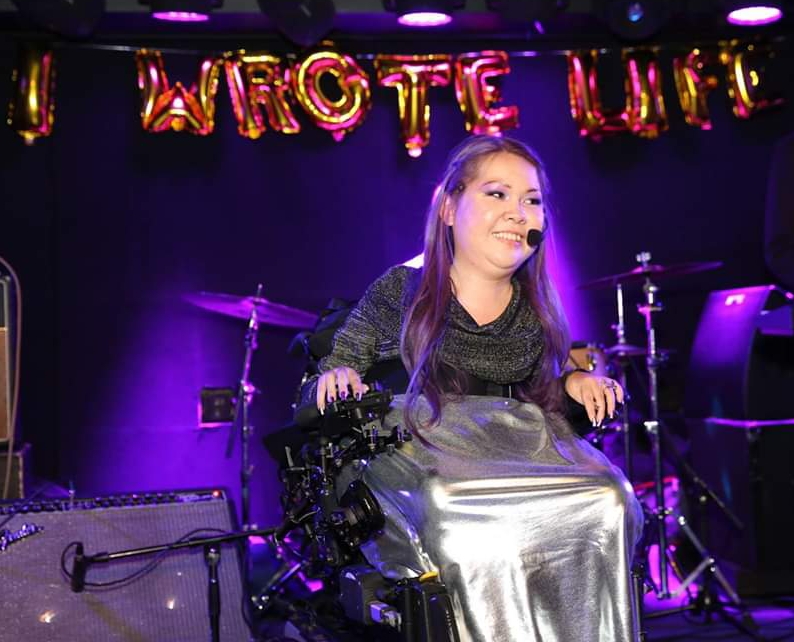
Tabi, who has SMA Type 2, on her debut album, ‘I Wrote Life’

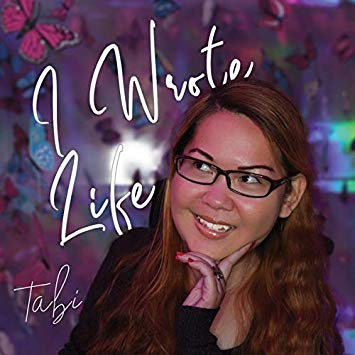
Album cover for ‘I Wrote Life’, by singer-songwriter Tabi

Tabitha ‘Tabi‘ Haly is a 35 year-old singer-songwriter from New York City. She has Spinal Muscular Atrophy Type 2, a progressive condition, causing muscle weakness and contractures.

Tabi cannot walk and therefore uses a powered wheelchair for mobility. She is now unable to use her hands to feed herself and uses voice dictation software. With 24/7 support from “home health aides” and physiotherapy to maintain as much strength as possible, Tabi leads a highly proactive lifestyle.

I recently had the pleasure of talking with Tabi about her music career and debut album entitled, ‘I Wrote Life’, (released January 2019).


Tabi, what and who are your biggest music influences and why?

I grew up listening to classic rock, pop and R&B, but I appreciate all genres. I enjoy catchy, soulful melodies, so that has heavily influenced the songs on my album. I am most inspired by artists who write their own songs because that is what I like to do. I love timeless songs and I feel motivated to write when I hear something that I wish I had written myself. I also admire artists who write about personal experiences.

I love Mariah Carey because she writes songs that touch upon insecurities and feeling like an outcast. She writes about her faith and she has clever lines and an impeccable vocabulary. I also love singer-songwriters such as Anna Nalick, Sara Bareilles, Christina Perri, and Jason Mraz. They write about love and heartbreak, which I can relate to.

I also admire a wide vocal range because it is fun to sing songs that are vocally challenging. That is when my R&B influences come into play. It’s really enjoyable to improvise and jam along. I like to challenge myself in general, so I definitely apply that to my music in terms of the lyrics, melody, and vocal styles.

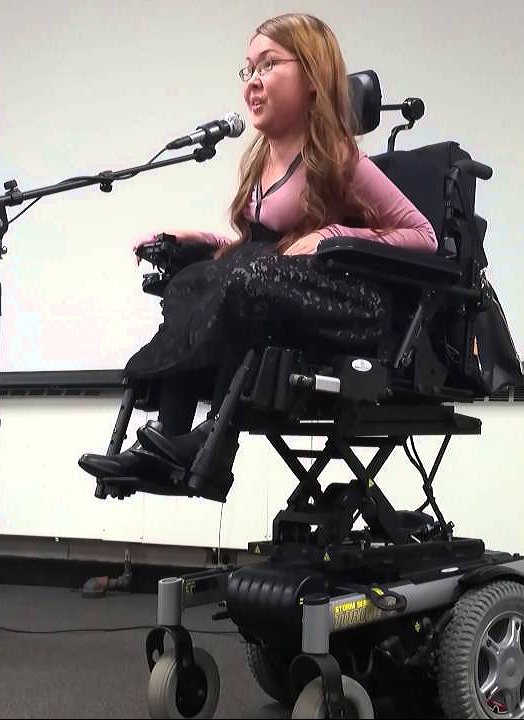
Tabi performing live in her powered wheelchair

How would you describe your debut album?

I would describe my album as real and soulful. I allowed myself to be vulnerable to reveal my struggles and hopes regarding my disability, love, and life in general. The different subjects lend to the spectrum of dark and light tones.

My album is also fun, diverse, and uplifting! There are a lot of upbeat, empowering songs. People like to dance to them, and it was definitely a blast recording them.

The album is diverse because it crosses multiple genres including R&B, pop, blues, and reggae. It was difficult to select which songs to put on this debut album. Ultimately I wanted to make sure there was something in there for everybody. The order of the tracks matters to me because it tells a story and hopefully feels like you are being taken on a memorable and moving journey.

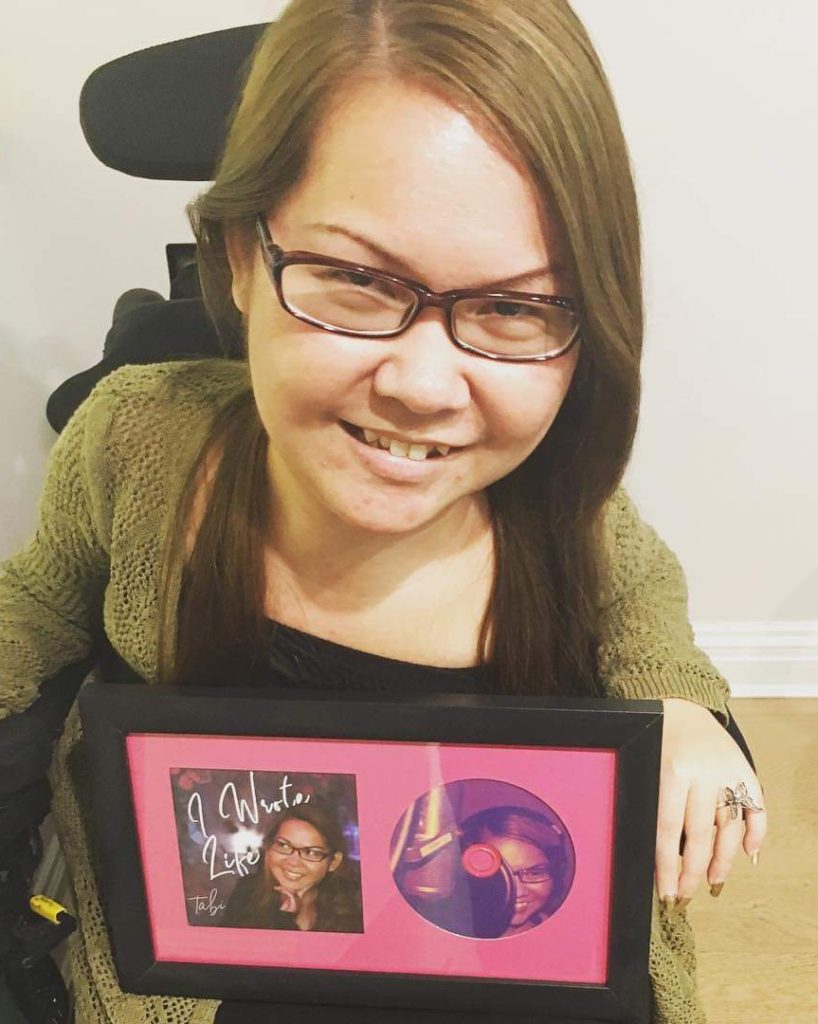
Tabi proudly holding her framed debut album

How autobiographical is the album, and why was it important to you to write the songs yourself?

This album is my baby! I know people use that term a lot in reference to personal projects, but I intentionally released it on my 35th birthday. At this age, many women, myself included, start to worry if they have not yet had a baby.

SMA presents challenges in every part of my life, but I am highly ambitious and set out to conquer my goals. I haven’t yet had a baby, so until then, this album is my baby. As an artist, it is my portfolio.

This album epitomises all that I have accomplished thus far; buying my own home, getting through college via financial aid and scholarships, having a successful full-time career that allows me to be financially independent, owning my own wheelchair accessible van, volunteering regularly, helping implement change for people with disabilities, writing and managing my music, managing my home health aides, being a motivational speaker, and being able to perform throughout New York City at cafés, bars, church, and schools.

As great as this is, it does cause alot of stress, sweat and tears! So I hope people enjoy the album and heed the message that faith and hard work have afforded me the life I have. This allows me to remain positive and to inspire myself and others.

Tabi smiling on stage, performing songs from her debut album entitled, ‘I Wrote Life’

Is important to you to inspire other disabled people who may have musical aspirations?

It is, especially since we are now at a time where there are so many groundbreaking opportunities. A few years ago, I saw many people with disabilities acting on Broadway, which took my breath away and really inspired me to continue doing what I’m doing. I would love to inspire, or better yet, collaborate with other musicians with disabilities.

During the bridge of my song keep rolling on I sing, “there’s so much left to change, more than we even think. More face in media, presence in arenas”.

Tabi, dressed head-to-toe in purple, holding a card displaying the hashtag #IWroteLife to promote her debut album

Have you faced any opposition, challenges and/or stigma on your journey to becoming a musician, due to your disability?

Surprisingly, the biggest challenge is sometimes getting onto the stage to perform! Most stages are not wheelchair accessible, so I have to be prepared for that. Another major challenge is having less live music venues to choose from because not all of them are wheelchair accessible.

Tabi performing live in NYC alongside her guitarist

How do you overcome these obstacles?

In the early days, I didn’t want that to be an issue or a dealbreaker when pitching to venues to book a show. So I would have my band members and friends lift me in my wheelchair on and off the stage. I have a powered wheelchair that weighs at least 300 pounds! So that was a lot to ask, and I am thankful for the support. This still happens sometimes, but I am now more confident about asking venues to consider investing in a ramp.

There are still the same challenges surrounding the inaccessibility of venues, both for the performers and attendees. I think this is just one of many accessibility issues that exists and for which we need to implement improvements.

You were the opening performer at the first ever Annual NYC Disability Pride Parade in 2015 to celebrate the ADA’s 25th anniversary. How did that make you feel?

That was such an amazing feeling! I had just started using my wheelchair again after having been stuck in bed for a few months due to ill health. So this experience was a huge comeback and it was an honor to be a part of this event. I have to reflect on this sometimes and remember how privileged I was to perform outside, in front of so many people, during the first parade specifically for people with disabilities.


I would like to thank the lovely Tabi for taking the time to answer my questions. Her brilliant debut album, ‘I Wrote Life’ is available to purchase and download NOW!

Follow Tabi on social media:

Twitter  Facebook  Instagram  YouTube

Guest Post | NHS Funding

Resource Allocation: A classic medical ethics topic that often rears its head in the inevitable reality of working in a cash-strapped public healthcare system.
Should the NHS fund this new expensive treatment for a rare disease?

Should the government pay for a new experimental cancer treatments?

Should X procedure be on the NHS, or Y?

The list is endless.

This blog covers a few basic ideas and concepts for you to broaden your understanding of why things are done as they are, enhance your opinion and help you think of the bigger picture.

Utilitarianism

One way of analysing resource allocation is using a utilitarian approach. Utilitarianism describes the moral theory that the most moral action is that which maximises the happiness (or in this instance healthiness) of a population. This seems quite a nice logical and fair systematic approach, but has one major drawback.

How do you quantify the benefits gained from a specific treatment?

Fortunately, Alan Williams, a health economist calculated a measure for doing this – the Quality Adjusted Life Year. This system described not only the length of life a specific treatment can give a patient, but also factors in the subjective quality of that life.

Interestingly, some of the ‘best’ treatments by this system including cataract surgery and hip replacements, owing the massive improvement in life these can bring (even though they are rarely viewed as life extending). However, despite quantifying the ‘best value’ treatments, this system still has its drawbacks.

Firstly, many argue that this system ignores both the old, and the chronically ill. The old will have fewer ‘life years’ per treatment and the chronically ill will have a lower ‘quality of life’ per treatment by this system, and will thus lose priority in this system.

This a great concept to think about as many new drugs are for specific diseases, which are often rare and chronic, or those which affect the elderly. Secondly, ‘quality of life’ is a highly subjective term, and, although this system goes someway to quantify it, the end result is still a subjective rating score.

Egalitarianism

Another way of analysing these topics are through an egalitarian approach. This theory states that resources should be distributed equality unless an unequal distribution would work to everyone’s advantage. However, in reality, there is not unlimited funding and therefore equality of distribution means that expensive treatments (the new drugs often featuring questions) could not justifiably be funded.

This approach does promote a decent minimum standard of care (good for everyone) and some argue that more expensive treatments can be funded elsewhere. For example, charities and private companies could find a place in an egalitarian healthcare system to fund more niche treatments.

Libertarianism

Another viewpoint worth nothing (though one which many, especially in the UK, would be against) is that of libertarianism. This system states that healthcare should follow individual liberties and free market principles – i.e to be privatised. This is an interesting viewpoint to discuss, but, given the many drawback of private healthcare and the NHS in the UK, it’s not one we in the UK really consider.

So, there we have it, a few basic approaches to the classic question of ‘should we fund this expensive new drug’.


This guest blog post is provided courtesy of writer Adi Sen, from the website UniAdmissions.

Disclaimer: The views and opinions expressed in this article are those of the author (UniAdmissions), and do not necessarily reflect the official policy or position of myself or any other organisation.

Ableds Are Weird!?

The recent trending Twitter hashtag #AbledsAreWeird, created by disability activist Crutches&Spice, has got me thinking about my own encounters and interactions with able-bodied society.

Uncomfortable? Awkward? Frustrating? Yup!

Here are some examples of my experiences as a non-ambulatory wheelchair-user (with Ullrich Congenital Muscular Dystrophy). I’m sure they are not unique to me!

Let me know if you can relate to any of the following scenarios…


Accessibility

Stranger: There’s only a few steps.
Me: I can’t walk, hence the chair.
Stranger: They’re only small steps.
Me: Nope, still can’t walk I’m afraid.
Stranger: Oh, not even with assistance?
Me: Not even with assistance.
Stranger: Not even a little bit?
Me: Not even a little bit.
Stranger: Not at all?
Me: Not at all.

Awkward, deafening silence…

Stranger: There are steps but we can just lift you (in a powered wheelchair).
Me: Thanks but this chair is really heavy. There’s no way you’ll lift it.

Stranger then attempts to lift me in my wheelchair, only to complain of the weight.

Stuck in a long queue of fit, young able-bods who look me up and down (in my wheelchair) but still choose to wait for the one and only lift/elevator rather than take the stairs, which would be much quicker!

A young driver in flashy sports car races into a blue badge bay and gets out without displaying a badge.
Me: Excuse me, have you got a blue badge?
Driver: No! Have YOU?!
Me: YEP! (waving my blue badge at the driver while sat in my Motability WAV).

Being unable to access public disabled toilets because they’re being used for storage!

Entering a public disabled toilet after a mother and baby have just used it. It absolutely stinks and there are used nappies on the floor!

Online Dating

Guy: okay, can I be honest?
Me: yes.
Guy: let’s be real, you’re no one’s type. Are you!
Me: erm, thanks!

Me: I can’t walk. I have something called muscular dystrophy.
Guy: oh. Right. Okay…
Me: yup…
Guy: so is that something you could change if you work on your fitness?
Me: no. Afraid not.
Guy: not even if you try really hard and actually make an effort?

Me: I’m a wheelchair-user.
Guy: oh right, what’s wrong with you? You self-propel, yeah?
Me: no I can’t do that, and there’s nothing wrong with me.
Guy: but I’ve seen some really fit girls in wheelchairs. They play basketball and all sorts!
Me: yeah, that’s never gonna be me. Sorry.

Me: I’m a wheelchair-user. I can’t walk at all.
Guy: oh, okay. What happened?
Me: nothing happened. I have something called muscular dystrophy.
Guy: I just Googled it. Wow that really is a disease isn’t it!!
Me: fear not, it isn’t contagious.

Guy: oh, so you can’t walk at all?
Me: yeah that’s right, I have muscular dystrophy so I can’t weight-bear. I use a powered wheelchair.
Guy: okay….
Me: it’s fine if you want to ask questions.
Guy: so…you don’t have sex then??
Me: why’s that?
Guy: well, I’m guessing you can’t feel anything…you know.

Woman: aww, I’m sure you’ll find a nice guy in a wheelchair to date!
Me: or just a nice guy!?

Social Worker Review

Assessor: are you able to make your own decisions?
Me: yes.
Assessor: always?
Me: yes.
Assessor: (with a sceptical expression) but…if you needed advice when making a decision, who would you ask?
Me: myself!?

Socialising

Stranger, whilst leaning over, “It’s good to see you getting out and about”

At a restaurant with a group of friends, all of whom are able-bodied. Waiter comes to our table, looks at me in my wheelchair, and starts rambling about a friend of his who lives near a Paralympian. None of us know quite how to respond.

At the pub with a friend who goes to the bar to get us drinks. When she returns, she says a guy at the bar who she knows told her he didn’t realise she’s now a carer. She had to stop and think for a moment and then replied, “I’m not her carer. I’m her friend! We’ve known each other almost 20 years!”
The guy looked absolutely dumbfounded.

Driving & Mobility

“Wow, you learned to drive? Is that safe? Did you have a special instructor and a special test?”

“Your wheelchair’s a bit battered. Looks like you could do with a new one! I suppose you just call and get a replacement through the NHS?”

“Do you have to have training and a test to drive that thing? [my powered wheelchair]”

“They [wheelchairs] cost HOW MUCH?! Why are they so expensive? Can’t you just save up?”

University

“Oh, you went to university? Good for you! It’s something for you to do, isn’t it. How did you manage though?”


You may also like Life as a Wheelchair-user | Societal Preconceptions

Wheeling Through Life | A Brief History

Highlighting the Ability in DisAbility

Valentine’s Special: Part 2

Dating & Disability ~ Q&A

Four men with different forms of muscular dystrophy answer questions on body confidence, dating, sex and relationships…

*Names have been changed

1. Do you identify as a sexual being?

Dave, 38, Duchenne MD: “I absolutely identify as a sexual being. I actually have a very high sex drive and it’s an important driver in my life.”

Brian, 51, SMA: “Absolutely. I’ve always had what would be considered relatively high sex drive.”

Tom, 27, Unspecified Neuromuscular: “I wouldn’t describe myself as asexual, but I’m not a sexual being either really. The more my condition has progressed, the less sexual I’ve felt. Procedures like catheterisation and serious illnesses have made me feel like I’m not at home in my skin.”

Steve, 28, Duchenne MD: “I believe I’m a very sexual person because I get the cravings and intense visual thoughts that consume my mind.”

2. How does your body confidence (or lack of) affect your sex life?

Dave, 38, Duchenne MD: “My body confidence is quite good. I am aware of my limitations and the ways in which I don’t conform to the normal stereotype, but it doesn’t really bother me and I don’t think it restricts my sex life. Attraction is a very strange thing and you never know what others will find attractive. I’m sure some people will be turned off by my body, but equally someone will be turned on by certain aspects.”

Brian, 51, SMA: “It affected me more when I was younger. In fact, I remember one of the very first moments I realised I was different. On a family holiday whilst in my early teens, I was getting changed in the hotel room before going out for dinner. I saw my profile in the bedroom mirror and realised my body was not ‘typical’ – the scoliosis of my back and the thinness of my legs. This led to a lot of problems with body confidence, which I covered up with layers of fashion. It probably led to overcompensation with cultivating a colourful personality.”

Tom, 27, Unspecified Neuromuscular: “My body, especially naked, looks ‘weird’, which makes me self-conscious. I then feel less comfortable having sex because I’m aware of this. I prefer to be the clothed partner in general, because I fear losing control. I worry about things like unexpected bodily fluids. This makes me unable to relax and enjoy having sex.”

Steve, 28, Duchenne MD: “My body confidence doesn’t have anything to do with my sex life but I’m not confident about my body whatsoever.”

3. Have you tried online dating? What are your biggest concerns/challenges when it comes to dating? Do you disclose your disability?

Dave, 38, Duchenne MD: “I have tried online dating on and off, with a little success but mostly rejection. Every so often I would go through a period of giving up on ever finding anyone, but now I’m in a relationship. I’ve always been very upfront and open about my disability from the very beginning. It’s either going to be a problem for people or it isn’t. I don’t see the point of waiting to find out. Yes, that means I’ve had less interest, but at least I know when the interest is there it’s genuine and not going to disappear.”

Brian, 51, SMA: “I’ve dated using online methods and people I’ve met spontaneously. Being a heterosexual man, I don’t really have a type as such. I am interested in creative, intelligent and funny people. I am on my 2nd marriage and we’ve been together for 12 years. When I was younger, dating always felt more like a job interview than an enjoyable experience. I’ve been stood up, ignored and even worse. It was when I decided to change my attitude towards dating that I began to have more success. I tried to see it as a night out and an opportunity to get to know an interesting person with no expectations.”

Tom, 27, Unspecified Neuromuscular: “My wheelchair is a bit of a giveaway! I do have the conversation with potential partners about the ways illness affects me. I’ve tried online dating apps without much success. I’ve had the best luck with finding people online, becoming friends and then dating them. I worry that people would see me and think I’m not a long-term option because of my disability.”

Steve, 28, Duchenne MD: “My dating experiences have been heartbreaking and abusive. All the women I’ve dated in the past have taken advantage and cheated on me, all from meeting online. Dating online is horrible in my opinion because of the bad experiences that I’ve had.”

4. What frustrates you most about dating?

Dave, 38, Duchenne MD: “Having to take a leap of faith and share aspects of your life that are complicated, with someone that you barely know. It’s a big issue building trust with someone and I hate having to start from the beginning and get them used to what my life is like. With a disability like mine you can’t introduce it gradually. It’s a permanent feature of my life from day one. I also don’t like having to negotiate how to manage with carers when on a date, I usually have to discuss this with the person in advance. It’s a lot to deal with at an early stage.”

Brian, 51, SMA: “I hated the Darwinian nature of dating. A lot of potential dates would say one thing but then date a guy who was 6 foot 2 with an IQ of a house brick. Dating when you are disabled takes stubborn, single-minded determination and the motivation to press on is not always easy to find.”

Tom, 27, Unspecified Neuromuscular: “People play games. If you’re not interested in me because I’m disabled that’s fine – I’m tough enough to hear that – but I find it hard when people equivocate.”

Steve, 28, Duchenne MD: “A lot of women are not genuine, sincere, or empathetic. They have ulterior motives that make them selfish and heartless. Most of them don’t have any morality.”

5. What do you look for in a potential partner? Do you actively seek an able-bodied/disabled partner/someone with a similar disability to your own?

Dave, 38, Duchenne MD: “I do place some importance on looks – I have to feel physically attracted to them, and it is important to me that we can have sex. Because of my own limitations, that means the other person needs to be ‘able’ enough to compensate (recognising that I wont know whether they are until I ask someone). I do appreciate the irony of the discrimination, but this is purely a practical consideration! Beyond that, it’s all about personality. They have to be relaxed about the complexities of life, fun, and intelligent.”

Brian, 51, SMA: “I’ve dated both disabled and able-bodied women, and I’m sad to say I have faced as much prejudice from the disabled women as the able-bodied. I seem to be largely attracted to independent, strong, creative women with a sense of humour that matches my own. Body type is almost irrelevant.”

Tom, 27, Unspecified Neuromuscular: “I don’t actively seek out disabled or abled partners. The advantage of a disabled partner is them understanding where I’m coming from and us connecting on a level where we share these experiences. The advantage of a non-disabled partner would be their potential ability to help with hoisting me, which would enable us to do a lot more together than if we were reliant on PAs (personal assistants/carers).”

Steve, 28, Duchenne MD: “I don’t really have a preference. I look for women who are positive, upbeat and have similar interests to me. Whether they are physically disabled or not doesn’t matter to me.”

6. What were/are your biggest concerns prior to losing your virginity?

Dave, 38, Duchenne MD: “My biggest concern was doing it ‘right’ and not being embarrassed.”

Brian, 51, SMA: “My concerns before losing my virginity were always physically based. I was concerned that my shortening ligaments would mean I wouldn’t be able to physically have sex. I was concerned about the emotional effect on an able-bodied partner being with someone with a shortened lifespan.”

Tom, 27, Unspecified Neuromuscular: “Pregnancy, I guess. Disability didn’t really play into it much back then, but I was still ambulant at the time. I was using crutches and needed some support, but was a lot less reliant on a partner adapting the sex to my abilities.”

Steve, 28, Duchenne MD: “I was afraid I wouldn’t be able to satisfy her and would therefore be a disappointment.”

7. Do you think your first sexual experience was more challenging/awkward purely because of your disability?

Dave, 38, Duchenne MD: “No, I think it was awkward because it was my first time and I was a teenager. I think it helps that I was with someone else with a disability, and my own limitations were not as great back then.”

Brian, 51, SMA: “My first sexual experience was with a girl who had the condition Friedreich ataxia. Therefore neither my disability or hers was of much concern from a self-confidence point of view. It was more the logistics of finding a position that worked. There were a couple of occasions where she almost ended up stuck on the floor, naked with her legs straight up in the air after to try to transfer from her chair onto my bed by herself!”

Tom, 27, Unspecified Neuromuscular: “Not really, but my condition was far less progressed then.”

Steve, 28, Duchenne MD: “I was worried about my physical limitations and that made me more nervous than I probably would have been ordinarily. It was all over very quickly. I did not have fun. She called me prick and left, never to be seen again. So I don’t think she had fun either.”

8. What are the most common misconceptions you have faced?

Dave, 38, Duchenne MD: “I don’t really encounter many because I include in my profile that everything works in that department. It’s a bit disappointing to feel I have to do that. Sometimes people ask what I can do and I tend to answer quite frankly. I don’t really leave much room for assumptions.

One issue discussed in the disability community is that of devotees. I’ve had a mixed experience. Some are only interested in getting themselves off and see the disability as a fetish. But other devotees are simply attracted to you as a disabled person, in the same way that someone might be attracted to tall people. The important thing for me is to recognise that different people are attracted to different things. It is only a problem when that attraction is the only thing that interests someone about you, or becomes an obsession. My suggestion is to be careful but open-minded, in order to open up new and amazing experiences.”

Brian, 51, SMA: “The most common misconception would be amongst able-bodied women not realising I’m a sexual animal. They would then be shocked when I started flirting outrageously with them.”

Tom, 27, Unspecified Neuromuscular: “People assume that I’m willing to be their ‘try it and see’, or that I don’t have needs, preferences, or desires in bed because (from their perspective) I’m so desperate, I’d take whatever I can get. Alternatively, it just doesn’t cross their minds that no matter how hard I flirt, they fail to realise I’m hinting at us getting together.”

Steve, 28, Duchenne MD: “People have asked if I’m able to get an erection. I think many believe disabled people are asexual and incapable of having any sexual desire. But in reality that desire for me is extremely intense. Sometimes uncontrollable.”

9. When having sex, how do you overcome the physical limitations associated with your disability?

Dave, 38, Duchenne MD: “Largely by depending on my partner to do a lot of the movement, and to assist in moving me into the position that works for us. We have had to experiment with different positions that maximise the amount of mobility I have, and try different toys to make things a bit interesting. I use a mouthpiece ventilator so I can still kiss my partner.”

Brian, 51, SMA: “Imagination, open-mindedness and being as sexually generous as I can. Occasionally, technology helps with the periodic introduction of a sex toy.”

Tom, 27, Unspecified Neuromuscular: “I tend to remain clothed, be the active partner, and do things for the person I’m having sex with. I don’t feel comfortable expressing my own needs, desires, or preferences at all. My limitations are more psychological. In terms of paralysis and joint instability, we use a LOT of pillows jammed round me to support me in the right place, then I stay still, and my partner moves around me.”

Steve, 28, Duchenne MD: “Trial and error mostly. Where there’s a will, there’s a way! It’s fun to experiment with toys and household items too.”

10. In terms of sexual intercourse, what can’t you do that you wish you could?

Dave, 38, Duchenne MD: “There is quite a bit I cannot do that I would like to, such as being able to touch my partner without having to be moved in a specific way. I’ve managed to try everything although there are certain things like anal sex that we are yet to find a good position for. We are still working on that one!”

Brian, 51, SMA: “In terms of intercourse, I wish more positions were available to me as variety is the spice of life after all. The use of my hoist helps greatly and opens up positions I otherwise wouldn’t be able to reach.”

Tom, 27, Unspecified Neuromuscular: “I wish I could have easy sex, without loads of explanation and preparation – that would allow me to have a far more normal and enjoyable sex life.”

Steve, 28, Duchenne MD: “I wish I could do the ’69’ position – that looks fun! And penetrate her when she’s in a doggy style position. I’m only missing out a little bit though.”

11. What advice would you offer to other disabled people who are sexually inexperienced?

Dave, 38, Duchenne MD: “It’s really about finding out what you can do and building trust and communication with your partner. Experiment with everything and don’t let things go stale. Keep trying new things, new methods and techniques.”

Brian, 51, SMA: “Decide what you want, don’t put too much pressure on yourself, be stubborn and tenacious. Cast your net wide and use the assets you feel you do have such as compassion intelligence humour.”

Tom, 27, Unspecified Neuromuscular: “Get to know your body first. Learn to pleasure yourself, learn what you like and how you like it. Experiment with toys if you can – they can often substitute for grip and reach. The better you know your body the more likely you are to get what you want out of sex.”

Steve, 28, Duchenne MD: “Don’t get your hopes up! sex is over-hyped. To be honest, I prefer to play video games.”

13. Are there any particularly funny sexual episodes you’d like to share?

Dave, 38, Duchenne MD: “There have been a couple of times a PA (personal assistant/carer) has walked in at a terribly unfortunate moment when I am with a partner. I think sometimes they are just a little naive as to what we might be doing and knock and enter rather than knocking and waiting.”

Brian, 51, SMA: “I once had a nasty experience when my college girlfriend tried a new shade of permanent lipstick, ‘guaranteed to stay put all night’. Whilst dressing me, the morning care staff thought I had developed a nasty rash and called in the medical staff. Everyone stood around me deciding what was to be done about this nasty deep red rash on my penis. The college nurse produced some cortisone cream and when applied, she realised the mark was merely lipstick. This would have been embarrassing with one person in the room let alone three!”

Tom, 27, Unspecified Neuromuscular: “Nope!”

Steve, 28, Duchenne MD: “I know ’69’ is off limits for me because I tried it once. I can’t move around by myself when lay on a bed. So I was flat on my back and she sat on my face and almost suffocated me! All I could do was flap my hands around like a dolphin. She thought I was loving it and so just carried on.”


Click here for the GIRLS!

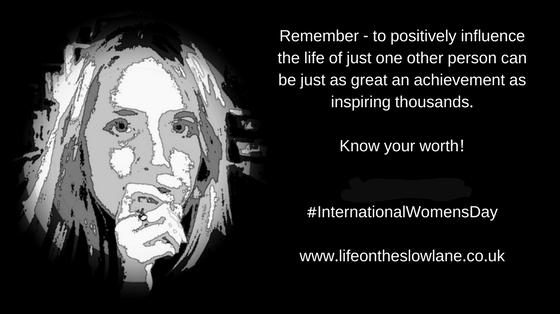
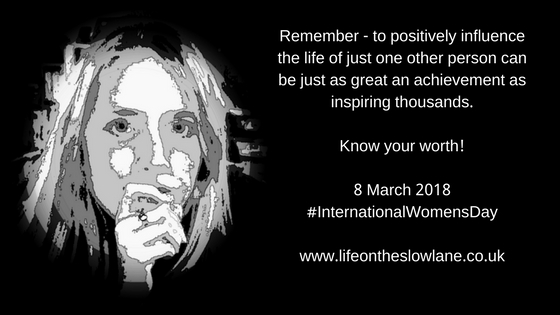
International Women’s Day

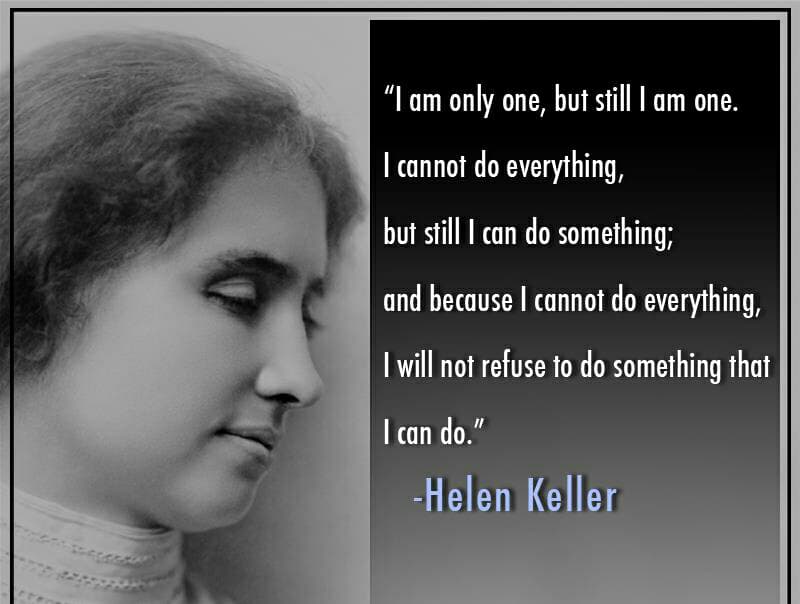
To celebrate #InternationalWomensDay, here are some motivational words of wisdom from just a few of the many inspiring women throughout history.

These women advocate equality, inclusion and disability awareness.

Above: Deaf-blind American author and political activist, Helen Keller (1880 – 1968).

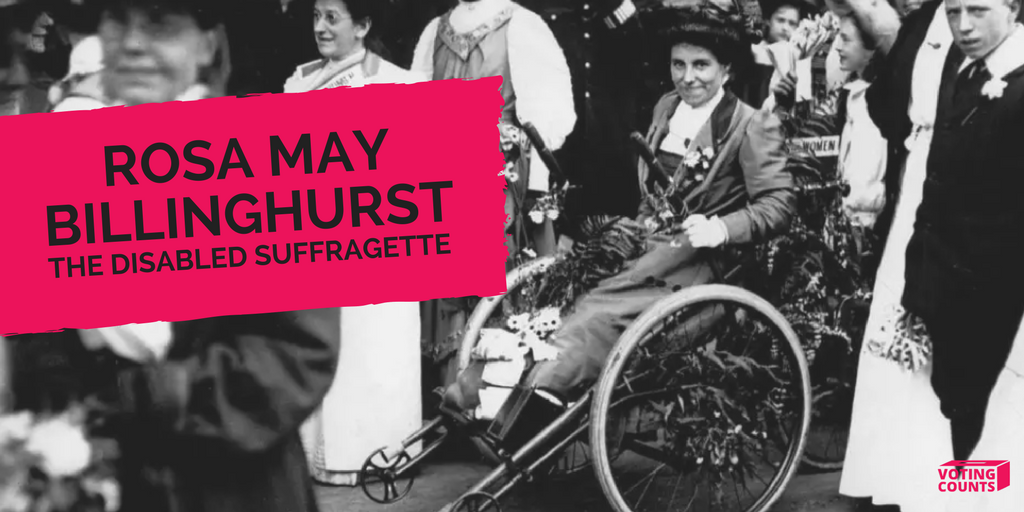
Above: Rosa May Billinghurst (1875 – 1953), was a women’s rights activist known as the “cripple suffragette”. She suffered polio as a child and, as a result, was left unable to walk.


What International Women’s Day Means to Me

Light is often shone on independent career women and high-profile personalities; celebrities, public speakers and so-called ‘world changers’.

Of course, these women deserve our respect and applause. But I’d like to also draw attention to the “ordinary” every-woman.

These are the women we are not aware of. We don’t know their names or their stories. These are the women behind the scenes who just get on with life, however challenging.

The single mum’s.

Those living with debilitating conditions and struggle to get out of bed each morning.

Those caring for multiple family members, who don’t have the option to go on holiday or pursue a career.

Women who are relied upon by disabled children and elderly relatives, and have no support or recognition.

Many suffer and struggle in silence. They simply get on with their lives without any fuss or complaint. These women deserve to be celebrated too!

They play a vital role in society – one that takes endurance, tenacity, strength of character and sheer grit. It takes a special kind of person to achieve this.

So remember, you don’t need to change the world to deserve respect and recognition. Being loved unconditionally, appreciated and making a difference to just one person is EVERYTHING!


Related Blog Posts:

International Women’s Day 2018

Interview | The Trailblazing Women of Muscular Dystrophy UK

Valentine’s Special: Part 1

Disability & Dating ~ Q&A

Four women with different forms of muscular dystrophy answer questions on body confidence, dating, sex and relationships…

*Names have been changed

1. Do you identify as a sexual being?

Becky, 22, SMA Type 2: “Of course! I have fully functioning sexual organs and like anyone else, I have sexual desires. Having a physical disability, like mine, does not affect either of those.”

Amy, 30, Congenital Muscular Dystrophy: “Yes, most definitely. We all have wants and desires regardless of our physical abilities.”

Sarah, 27, SMA Type 2: “I’ve always felt like a sexual being and desired an intimate relationship. However, throughout my teenage years and thereafter, I didn’t imagine anyone would want that type of relationship with me, so I relied on myself for any sexual needs.”

Laura, 24, Limb Girdle MD: For years I actually didn’t see myself as a sexual being because I hated my body and I truly believed that no one would ever want to be with me. It wasn’t until I reached my twenties and craved intimacy that I actively searched for a sexual partner.

2. How does your body confidence (or lack of) affect your sex life?

Becky, 22, SMA Type 2: “I would say that my lack of body confidence is the only thing that affects my sex life. From the age of 16, I’ve struggled with social anxiety which stems from the dislike of my body and the way my disability has ‘deformed’ it. I have such a fear of rejection that I have missed many opportunities to start relationships (casual and serious). Therefore, my sex life has been affected. This issue was actually one of the reasons my last relationship ended. I pushed away my partner to the point that he couldn’t deal with my constant queries and need for reassurance. I was a nightmare!”

Amy, 30, Congenital Muscular Dystrophy: “Body confidence issues and insecurities definitely held me back from experimenting sexually. I’ve only had one sexual partner and he is my fiancé of the past 7 years, despite having two previous long-term relationships beforehand.”

Sarah, 27, SMA Type 2: “I have very low body confidence and some days I really hate how I look. But it has never really affected my sex life. I always find the first encounter with someone new quite stressful and it gives me a lot of anxiety at the thought of someone seeing my wonky body. But no guy has ever said anything negative – quite the opposite!

I’m now in a long-term relationship with someone who fully understands my body hang-ups. He’s patiently trying to improve my body confidence and even if I don’t believe it, it’s pretty awesome having someone telling me I’m beautiful at least once a day.”

3. Have you tried online dating? What are your biggest concerns/challenges when it comes to dating? Do you disclose your disability?

Becky, 22, SMA Type 2: “All my dating experience has been via online apps. Every date I’ve been on has actually been really positive and I’ve met some nice people. As most girls/guys find, it can be hard to distinguish who is genuine or not when talking to people online, and it can also be hard to figure out their intentions. This can be even harder when a disability is involved, but I choose to disclose my disability in my bio. I only write a short sentence, usually something sassy like, ‘yes, I do use a wheelchair’. I also make sure I show at least one full-body photo. This relieves the anxiety of telling someone and also means that whoever messages me already knows about my disability. However, I do sometimes receive disrespectful or patronising comments but I love challenging them.”

Amy, 30, Congenital Muscular Dystrophy: “Most of my dating experiences have been using online platforms. Coming from a sheltered upbringing, meeting people at bars and clubs just didn’t seem realistic. I actually prefer online dating as it forces potential dates to see the best of you (unlike face-to-face where they often judge you on your disability).

I did go through a rough patch with dating sites, whereby if I mentioned in my profile the fact I am a wheelchair-user, most guys would open with, “Hi, I’m not being a dick but can you still have sex?”

I do believe sex is part of a healthy relationship but when guys put so much emphasis on that and that alone, it leads me to think they all want the same thing. For this reason I stopped disclosing my disability in my profile, and told them only after chatting for some time. Some accused me of leading them on, but to me this suggested they have a major issue with dating someone with a disability.”

Sarah, 27, SMA Type 2: “I’ve been dating a long time. Excitingly, I got my first boyfriend at school (Year 7), and I thought I was winning. It lasted a whole 3 days and we didn’t even get as far as holding hands.

It wasn’t until I moved away to university that I wanted to date, so I started to try online apps. During those 4 years, I only had a handful of dates and none went anywhere – although I did eventually get my first kiss aged 18.

I really started to date when I moved to London. I met all my dates online and I was quite surprised how many people wanted to go out with me. Most didn’t progress beyond the first date, though some were a lot more successful. I did feel vulnerable but that’s normal for anyone meeting someone they’ve talked to over the internet.

I made my disability obvious on my profile. I’m not saying it should be, but it can be a big deal for potential partners, and I didn’t want to waste my time with guys who couldn’t deal with it. My most successful dates never mentioned my disability in messages, it was just accepted.”

Laura, 24, Limb Girdle MD: I never had the confidence to approach guys in a conventional way. And so all my dating experience has been initiated online. It’s somehow easier to get to know people online before meeting in person. That way, they aren’t immediately confronted with my disability (which I think tends to intimidate most able-bodied guys). However, I have always included photos of myself in my wheelchair on dating profiles.

4. What frustrates you most about dating?

Becky, 22, SMA Type 2: “The most frustrating thing I find is effort. That sounds terrible but when talking to someone new, it takes a while to answer questions they may have and inform them correctly. This then comes with the fear of scaring them away or being rejected because of it.”

Amy, 30, Congenital Muscular Dystrophy: “Not knowing when best to disclose my disability and the anxiety over their reaction. As for the date itself, I worried about them seeing me struggle with something physical as I don’t want to be perceived as weak.”

Laura, 24, Limb Girdle MD: Honestly, the rejection! Online dating can be brutal, particularly for girls in wheelchairs! It takes a lot of determination to pick yourself and try again. But the effort does pay off in the end.”

5. What do you look for in a potential partner? Do you actively seek an able-bodied/disabled partner/someone with a similar disability to your own?

Becky, 22, SMA Type 2: “In a potential partner I look for someone who is open-minded and doesn’t take life too seriously. Someone who is honest, empathetic and obviously gives good cuddles! I wouldn’t say I actively seek an able-bodied person but dating somebody with a disability as severe as mine obviously adds difficulties.”

Amy, 30, Congenital Muscular Dystrophy: “I’ve always wanted a partner who has some form of disability. I have always valued and sought the emotional support and connection it would offer. It wasn’t until I stopped looking that I found someone who fit the bill completely. It was important to me that I found someone who could understand me.”

Sarah, 27, SMA Type 2: “While I have dated disabled people, my preference was always for someone without a disability. In particular, I didn’t want to date someone with care needs like myself. I think alone time with a partner is really essential and I wouldn’t want to be in a situation where a carer always had to be around.”

6. What were/are your biggest concerns prior to losing your virginity?

Becky, 22, SMA Type 2: “Apart from the typical concerns, I had additional worries. Positioning was the main one. I was worried about discomfort and being considered ‘boring’ due to my physical limitations. I was also concerned that the person I lost my virginity to wouldn’t be patient with me.

I had no idea what positions were possible and so trusting the person to be patient with me was a must. Being vulnerable was also a concern. When I’m in bed, I have no escape, meaning that anyone could easily take advantage of me.”

Amy, 30, Congenital Muscular Dystrophy: “My biggest concerns were not being able to do certain positions without my partner doing most of the work, and being unable to sexually satisfy him due to my muscle weakness.

Now several years on I’ve realised sex is more about creativity and trust, with those two things you can achieve almost all your sexual desires. Plus it isn’t all about intercourse. My only concern remaining is that my partner may one day prefer an able-bodied girl and get tired of thinking outside the box to make certain sexual activities possible.”

Sarah, 27, SMA Type 2: “I think my biggest concern was the uncertainty and not knowing my body’s limitations. I had no idea if I’d be able to get into a good position to have sex. I was also concerned whether I’d find the right person who would be patient enough to work together with me.”

7. Do you think your first sexual experience was more challenging/awkward purely because of your disability?

Becky, 22, SMA Type 2: “I would actually say no. For anyone, having sex for the first time is awkward. It’s all new feelings and sensations that no one can prepare for and sharing something intimate and new with someone. The only challenge I had was finding an easy position, due to my lordosis, but I was prepared for that.”

Amy, 30, Congenital Muscular Dystrophy: “It was more awkward purely due to my anxiety over what their reaction would be to my limitations in the bedroom. We didn’t talk beforehand, which I regret as it may have helped me relax, but I was embarrassed by the things I thought I would struggle with regarding intercourse in particular.”

Sarah, 27, SMA Type 2: “It was definitely more challenging and awkward. Looking back, I regret it happening when it did and with who. Despite dating quite a few different people prior to losing my virginity, I didn’t think any guy would want to have sex with me. When he did, I felt like I couldn’t say no because I didn’t think I’d get the opportunity to experience it again. I was lucky though that it was his first time too.

The whole thing was awkward. In an attempt to be romantic, he picked me up off the sofa and carried me to the bedroom but the flat corridors were super tight so he whacked my head on the door a few times. Then my floppy, bendy limbs made it difficult for him to get me undressed. The awkwardness carried on until I was re-dressed and back in my wheelchair.”

8. What are the most common misconceptions you have faced?

Becky, 22, SMA Type 2: “The main one is that I can’t have sex, full stop. On dating apps and on nights out, I am constantly asked if I can have sex. The sad thing is, some people are genuinely shocked when they learn that I can. Another misconception is that sex with a disabled person can be boring. Or that the disabled person is fragile and can be broken. These are both totally inaccurate.”

Amy, 30, Congenital Muscular Dystrophy: “That I am asexual because I’m a wheelchair-user or I have no sensation and therefore there’s nothing in it for me. I AM sexual, I do enjoy sex in a loving relationship (never been a one night stand kind of girl) and I CAN feel!”

Sarah, 27, SMA Type 2: “While online dating, I was often asked if I could have sex. Quite a few people I dated assumed I was paralysed and so I they would question if I had any sensation.”

9. When having sex, how do you overcome the physical limitations associated with your disability?

Becky, 22, SMA Type 2: “I overcome physical limitations by being honest with my partner. I’m always upfront with what I may need help with but also what I don’t need help with. It’s good to talk about challenges that may arise but also not to dwell on them. I sometimes just find it easier to mention things when actually getting into it. Talking and worrying too much can ruin the mood completely.”

Amy, 30, Congenital Muscular Dystrophy: “I did a lot of research into sexual positions for wheelchair-users. This coupled with knowing my own body’s limitations gives me a good sense of my capabilities in bed. In the areas I knew I’d struggle, my adaptive personality takes over and we just get creative using the ceiling track hoist. Oral, mutual masturbation, sensual massages etc are just as satisfying as intercourse.”

Sarah, 27, SMA Type 2: “I think having the right partner is key. If you’re not comfortable with them, it makes overcoming obstacles really difficult. You need to be with someone who you can be fully open with about your desires and that person needs to be willing to work within your limitations.”

10. In terms of sexual intercourse, what can’t you do that you wish you could?

Becky, 22, SMA Type 2: “There are some positions I wish I could do that are off-limits. The majority are adaptable but taking the lead would be fun. I can do that to some extent but not completely. Being spontaneous is also something I wish I could do – being able to jump into bed with someone without the whole process of hoisting and undressing. Also, having privacy and secrecy is something I’d like.”

Amy, 30, Congenital Muscular Dystrophy: “I can’t do certain positions unaided because my trunk muscles are too weak for me to be on top. I get frustrated at times with the restrictions of the ceiling hoist. But there are loads of other positions, so I don’t feel I miss out just because 1one or two are not possible.”

Sarah, 27, SMA Type 2: “There’s so much I can’t do, but the main thing I wish I could do isn’t a sexual thing. I really wish I could roll over by myself and give my boyfriend a hug and a kiss in bed without him having to help. In the past, I did feel like I was missing out on things but with the right partner, I don’t anymore. We’re in a really happy and loving relationship and even if I can’t do much in bed we still have a great time!”

Laura, 24, Limb Girdle MD: Obviously, as a full-time wheelchair-user there are things I can’t do, like doggy-style and being on top. But I find that you just have to be creative, have fun and laugh through the awkwardness! I do so wish I could masturbate but I don’t have the strength in my hands.”

11. What advice would you offer to other disabled people who are sexually inexperienced?

Becky, 22, SMA Type 2: “Don’t over-think things. It can be easy to think about all the difficulties you may face or embarrassing moments you may have but don’t let that have a hand in you missing out on sexual relations. On the other hand, make sure you trust whoever you’re intimate with. Even if it’s a one night stand, ask some trigger questions to get an idea of how they will treat you. But honestly, just have fun. Sex is great and everyone deserves to experience it.”

Amy, 30, Congenital Muscular Dystrophy: “Communication is essential. Think outside the box, use props for support and be open-minded. Practice, practice, practice and have fun.”

Sarah, 27, SMA Type 2: “Get used to having to communicate your needs, don’t just expect your partner to guess what you can and can’t do in bed. It’s also important to communicate what your likes and dislikes are. But probably my most important piece of advice is, don’t rush into things. There’s so much pressure on people to lose their virginity that it can make you feel like a loser if you haven’t had sex. It’s not for other people to dictate when the right time is. If someone comes along who wants to have sex with you, don’t do it just because you think you should.”

13. Are there any particularly funny sexual episodes you’d like to share?

Becky, 22, SMA Type 2: “My ex and I always struggled to find time alone together, due to the fact I share a room. We had to take advantage whenever possible, especially during the honeymoon period! We had a few spare minutes in my van (an advantage of having tinted windows!) and so I started giving oral as he unbuttoned my shirt. Suddenly he told me that my PA was getting closer and quickly sat in the passenger seat, making sure he was decent. He totally forgot that I couldn’t button my shirt back up until he looked back at me, his eyes wide, as my PA opened the door. He quickly moved in front of me, blocking me from her view as he buttoned me back up. We just pretended that nothing had happened and the PA still doesn’t realise!”

Amy, 30, Congenital Muscular Dystrophy: “My first time was in a hotel room in Birmingham. Little did we know the walls were paper thin and a family with young children were next-door. The following morning, I overheard the parents complain of a couple going at it so loudly the night before, it kept their kids up! I was mortified while my partner thought it was hilarious.”

Sarah, 27, SMA Type 2: “My boyfriend and I were on the sofa watching TV when my PA said she was popping out for a couple of hours. Clearly we wanted to make the most of this time alone. While he could undress me just fine, the re-dressing was slightly challenging. When my PA came back she said, ‘what the hell has happened to you clothes?!’”

Laura, 24, Limb Girdle MD: “Me and my then partner tried to use the hoist so that I could be on top. But as soon as he released the straps, I fell on top of him like a sack of potatoes and squashed him. But we laughed a lot!”


Coming Soon: Disability & Dating ~ The Boys!

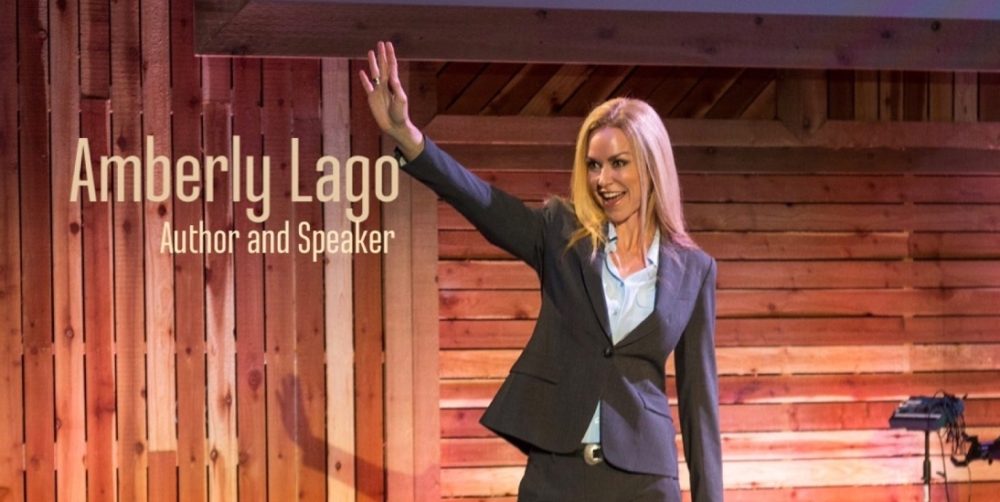
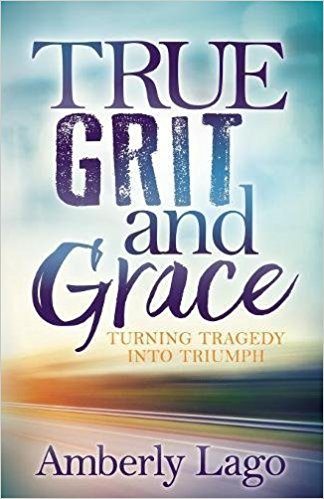
Interview | Author Amberly Lago

True Grit and Grace: Turning Tragedy into Triumph

Former athlete and professional dancer Amberly Lago suffered a horrific motorcycle accident in 2010, which severed her femoral artery and shattered her right leg almost beyond repair.

Despite her debilitating, life changing injuries, Amberly has transformed her life and is now a fitness trainer and motivational speaker, inspiring thousands with her resilience and ability to thrive.  

In her remarkable memoir, ‘True Grit and Grace’, this Texas girl instills hope to keep moving forward by sharing the tools and strategies that have worked for her.

The determination, defiance and gratitude she demonstrates encourages readers to find resilience in their own difficulties. By refusing to give up, Amberly has admirably commited herself to regaining her active lifestyle, thereby proving it is possible to hit rock bottom and still find the strength to get back up.


1. Amberly, could you please tell us how your disability affects you and how you continue to cope with ongoing, chronic pain?

Following my motorcycle accident in 2010, I was diagnosed with Chronic Regional Pain Syndrome. CRPS is known as “the suicide disease” because it causes constant chronic pain. It’s ranked highest on the pain scale and has no known cure. When I was first diagnosed, I was told I’d be permanently disabled and wheelchair-bound.

At first I lived in denial and pretended nothing was wrong. Behind my smile, I was dying inside from physical and emotional pain. Everything I read about CRPS left me feeling hopeless. Still, I continued moving forward, despite the feeling of a vice grip on my foot and battery acid through my veins. I tried every kind of treatment for my pain, including a spinal stimulator, nerve blocks, ketamine infusions, Eastern and Western medicine, and anything that claimed it could bring me relief.

It wasn’t until I accepted the fact that I had CRPS and what I call my “new normal” that I began to show myself the self-love and self-compassion I needed to start to feel better. I wish I could tell you I found some magic pill or movement that relieves my pain, but the truth is, every day is different, and so are my pain levels. What works some days doesn’t always work the next, so I just keep trying, and doing, and praying.

When I am in pain, I go through my list of helpful tools. There is no particular order.

I practice mindfulness, meaning I do whatever I can to stop thinking about and focusing on my pain. I surround myself with positive people. No more doggy downers, only puppy uppers!

I count my blessings and practice gratitude.

I give myself permission to rest on a flare day and remember that I am doing exactly what I need to do. I am recovering.

I eat an anti-inflammatory diet.

I am on a sleep schedule (and yes, this means that I have an alert on my phone that tells me when it’s bedtime).

I am still learning to meditate.

I breathe deep breaths.

I pray.

I do everything I can to be of service to others. When you focus on the well-being of others, your self-pity disappears as you improve the quality of someone else’s life.

Then I repeat. Instead of allowing my pain to make me bitter, I do my best to appreciate everything I have, no matter how big or small. I will focus on the good in my life and let that be my medicine.

2. You endured incredibly trying times prior to your motorcycle accident, including parental divorce and sexual abuse. How has maturity and resilience helped you since your accident?

I learned from a young age to “cowgirl up” because at the time, there was no alternative. Dwelling on why reality wasn’t prettier wouldn’t have done a thing for me. It would have crippled me then, preventing me from achieving everything I wanted to and crippled me years later when I was actually crippled, preventing me from choosing nothing less than recovery. As weird as it may be to say this, I believe the pain and isolation I felt in those difficult times as a child were an ironic blessing of sorts. When you know from an early age that you’re on your own and can rely only and entirely on yourself, it’s as liberating as it is sad. But if you can take the sadness and self-pity out of it, then what you’re left with is a liberating sense of freedom—and, when trauma strikes, you don’t waste any time looking for someone to bail you out.

3. How and why did you choose to ignore and defy the doctor who abruptly told you that you would never function normally within society, not walk again?

Call it my stubbornness or my love of a good challenge or being in complete denial, but I wanted, more than anything, to chase after my daughter like a mother should and be free to do the things that make my heart sing, like hiking and exercise. Just because my body was “broken” on the outside, I was still the determined athlete on the inside. I learned to truly listen to my body and to be the healthiest I could be, despite my circumstances. We may not get to control what happens to us, but we can control how we react to it. So, getting on with my life was a series of three steps up (to the degree that I could take steps) and six steps back, both physically and emotionally. Every one of my surgeries, that totaled 34, I viewed as bumps in the road. I couldn’t think of them as anything but that. If I had, I would have given up. And nothing, not even a doctor’s advice, could get me to do that. Although I love my doctors, I had to think for myself when it came to my own health and happiness.

4. Understandably, you experienced severe depression following your accident. What was the turning point for you?  And how do you find strength and energy to turn such despair into positivity?

Somewhere in between surgeries number 28 and 34, I mentally spiraled into a deep, dark depression. I could feel myself giving up and giving in to the pain, and in that moment, I thought about my beautiful children, my family, my friends, and my clients, and realized I had better make a decision. I could go down the road of despair or down the road of peace and happiness. I immediately threw myself into a place of gratitude for all I did have in my life. Every time a negative thought crept into my mind, I replaced it with something I was grateful for. I threw myself into physical therapy and stayed active with my fitness clientele. Even though I couldn’t physically train them at first, I could still create their exercise plans and coach them over the phone. Being of service really took me out of my despair and gave me a sense of purpose and a strong feeling of connection.

5. Complex Regional Pain Syndrome (CRPS) is also often referred to as “the suicide disease” due to the fact so many sufferers take their own lives. How did you overcome the odds and move forward in order to achieve your goals and live life to the fullest?

My heart sank the first time I learned I had what is known as the suicide disease. When I found out I had an incurable disease that would leave me in constant chronic pain, I defaulted to denial; it took me years to accept that I am a woman with a disability. It wasn’t until I completely accepted my disability that I could begin to heal—not only physically, but emotionally and spiritually as well. I focus on what I can do and don’t get caught up in past accomplishments. I celebrate small victories along the way, whether being able to walk up the stairs on my own or walk on the beach with my family. I only look back to see how far I have come. I connect to my higher power every day and pray. Instead of letting my chronic pain detour me from my endeavors, I use it as a tool to connect me with others going through challenges and am reminded that I am not alone on this journey.

6. Throughout the book, you discuss the need for hope, acceptance and gratitude — to be thankful for all you have rather than looking to the past and what you have lost. Do you feel this is the key to getting the most out of life?

At first I was so caught up in my past accomplishments that I couldn’t live fully in the present moment. I went from being a dancer, athlete, and fitness trainer to fighting just to stand upright for a few seconds at a time. I was so embarrassed of my scars and tried to pretend that nothing was wrong with me. Allowing others to see my scars crushed me. Slowly, however, my perspective changed and I took ownership of my story. I then viewed my scars as battles I had won. Instead of looking down at my leg in anguish, I looked at it as a blessing. I still had my legs. Once I embraced my imperfections and learned self-acceptance, I truly began to heal and be comfortable in my own skin.

Without the traumas and heartbreaks of life I wouldn’t be able to serve the way I do now. It’s not about circumstances but about what you decide to do with them. I focus on what I am grateful for and don’t leave any room for self-pity. I make my purpose bigger than my problems.

As Albert Einstein said, “There are only two ways to live your life. One is though nothing is a miracle. The other is though everything is a miracle”. I believe in miracles.

7. Your role as a wellness coach and motivational speaker involves supporting, inspiring and advising others. Why is this so important and how does helping other people through their difficulties benefit you personally?

I wanted more than ever to get back to my passion, which is working with people, but I did wonder who would want to train with me. I felt broken. I trained fitness competitors, boxers, and CHP officers for years—and then I found myself on crutches. I now needed my clients more than they needed me. I needed to get back to work. I needed to give my life purpose above and beyond trying to walk again. Purpose was what would save me mentally, psychologically, spiritually—and, for that matter, physically. Purpose was what would get me on my feet and, someday—as I prayed—running again. I did whatever I could to get myself stronger—and then came the miracle. Business began booming, and did so quickly because people saw me in the gym, in my wheelchair or on crutches, even pushing myself from station to station in a wheelchair. I became the trainer of encouragement who told people, Yes you can! and that was how I trained them. Speaking to groups of people, whether a gathering of youth or  business professionals, about overcoming obstacles is a way of connecting, and when people connect, magic happens. I believe we need to lift others up to be better ourselves.

8. What do you hope readers will take away from reading your book?

What I have learned in life is a series of choices we make regardless of our circumstances. I could either make the choice to give up and let my life be determined by my circumstances, or fight to create something positive out of my situation. My choice is to notice the gifts life offers, which are particularly plentiful when you look for them. I believe in seeing the good in every situation and learning something from it.

I believe we can have the life we have always imagined, even if our circumstances have narrowed our possibilities. My sincere wish is that my story will help each reader claim their own power and belief in themselves and their dreams, and find their own resilience to move forward and choose a life filled with laughter and love, even when things don’t go as planned. We can’t choose what life throws our way, but we can choose to be happy and live a full life, despite our circumstances. Through our trials, we can embrace our challenges, connect to our innermost resilience, and change our perspective on life. We are all strong, but together we are unstoppable!


I’d like to thank Amberly Lago for taking the time to answer my questions so considerately.

Please visit her website to learn more about her life and work as a motivational speaker.

TRUE GRIT AND GRACE: Turning Tragedy Into Triumph by Amberly Lago (Morgan James Publishing; April 17, 2018) – Available to buy now from Amazon.

Please follow me on Twitter and Facebook

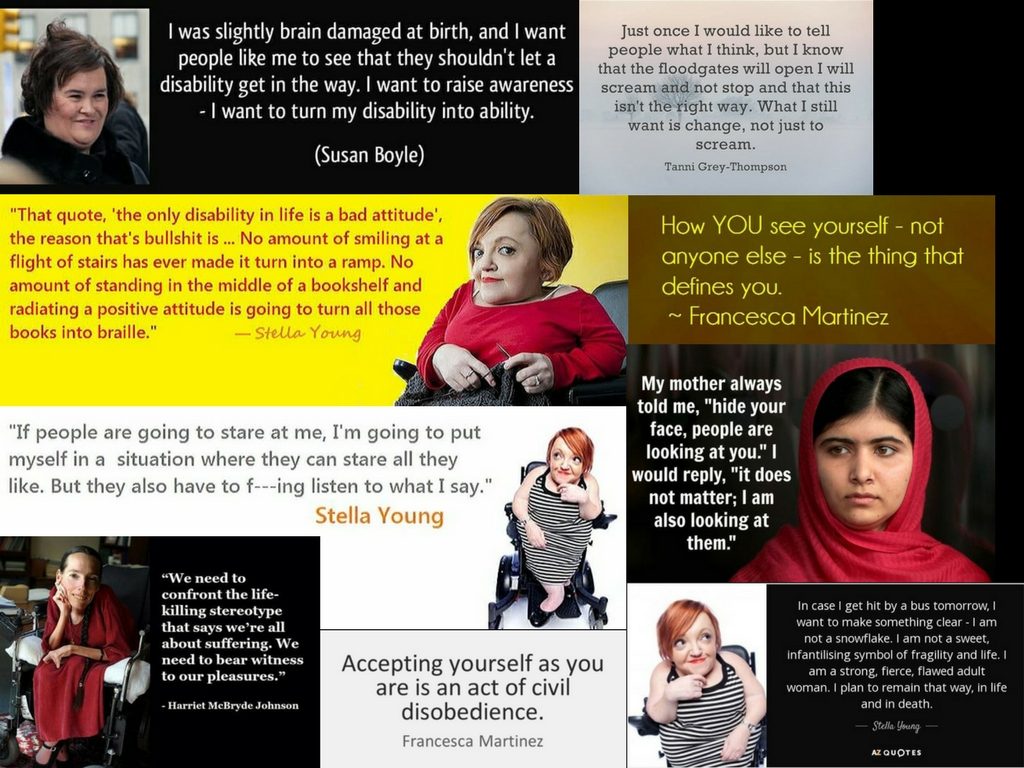
International Women’s Day 2018

Just a quick post today, to (belatedly) celebrate International Women’s Day 2018.

It is held on 8th March, every year. Here are a few quotes that resonate with me…

What does International Women’s Day mean to you?


This post comes to you a little late, since I spent Thursday 8th March in hospital having an operation – fun, fun!

I’m now on the mend and planning future blog posts.

What topics would you like me to cover?

If you have any ideas or suggestions, I would be grateful if you would leave a comment.


Please follow me on Twitter and Facebook

The Winter Edit: Part 2

5 Tips to Stay Well through Winter

The dark nights are drawing in and the weather is turning increasingly colder. The harshness of winter fills many disabled people, myself included, with dread.

How can we best prepare ourselves for winter?

We are 80% more likely to catch a cold during winter.

Bearing that in mind, here are my top tips to stay well and defend yourself against those nasty winter viruses.

Click here for Part 1 ~ Top Tips to Keep Warm through Winter!


1. Stock up on supplies:
Medication –


• It’s always advisable to keep a stock of essential supplies in your home. Several factors, including adverse weather, can prevent you from getting hold of medicines at short notice.
• All my medications are on repeat prescription so that I don’t have the bother of getting hold of a GP every time I need something.
• As someone with Ullrich congenital muscular dystrophy, a common cold for me can develop scarily quickly, and so I ensure there’s always a reserve of antibiotics at home, should I need them.
• It’s important to go and get your Flu jab annually and, where relevant, the pneumonia vaccination. Don’t leave it too late to protect yourself from influenza – it takes two weeks from the time you’re injected for your body to build up an immunity.

Contacts –

• It’s good practice to have a list of contacts, in case of an emergency. Include medical professionals (e.g. doctors, consultants, physiotherapists and hospital ward/department direct lines) so that you or your next of kin can contact, should you become ill. Keep your list somewhere easy to find, such as on the fridge, and make copies!

2. Nutrition:

• I choose to take supplements including a daily multivitamin and probiotics, in order to boost my immunity. Supplements come in various forms: tablet, capsule, liquid and powder. If you struggle to swallow pills, there’s always another option out there for you.
• I’m not a fan of water, so I drink a lot of herbal teas, such as lemon and ginger, to keep me hydrated and flush out toxins. Both ingredients are naturally antibacterial while ginger also helps ease migraines, inflammation and nausea (the latter being a common side effect of antibiotics). Add some honey for sweetness and to soothe a sore throat.

• I find smoothies and soups are an easy way to get your recommended allowance of vitamins and minerals. It’s really important to eat healthily to aid your bodies defence against all those coughs and colds circulating throughout the winter months. Remember: you are what you eat!

Top Foods: lemon, ginger, garlic, onion, kale, cinnamon, turmeric, honey, apple cider vinegar, grapes, natural yoghurt and chicken soup.
3. Cleanliness:

• I keep a little bottle of antibacterial hand gel in my bag (you can buy them really cheaply from most shops nowadays). I use it when out and about or using public transport. It’s a simple way to prevent the spread of germs from surfaces and person to person.
• It’s stating the obvious but wash hands with soapy water and maintain clean surfaces within the home. It’s often difficult to prevent all members of a household becoming ill when one gets sick. But simple precautions such as this could make all the difference.
• Grab yourself a few packets of antibacterial wipes and remember to clean phones, remote controls, computer keyboards and door handles regularly. You’d be amazed how much bacteria harbours there.
• Be considerate and try to cough and sneeze into a tissue rather than the air. It’s a good idea to keep plenty of tissues in stock. Please don’t do what my Dad does and carry a snotty cotton handkerchief around with you all day – bleurgh!
• Replace your toothbrush after you have fully recovered from an illness.

4. Physiotherapy:

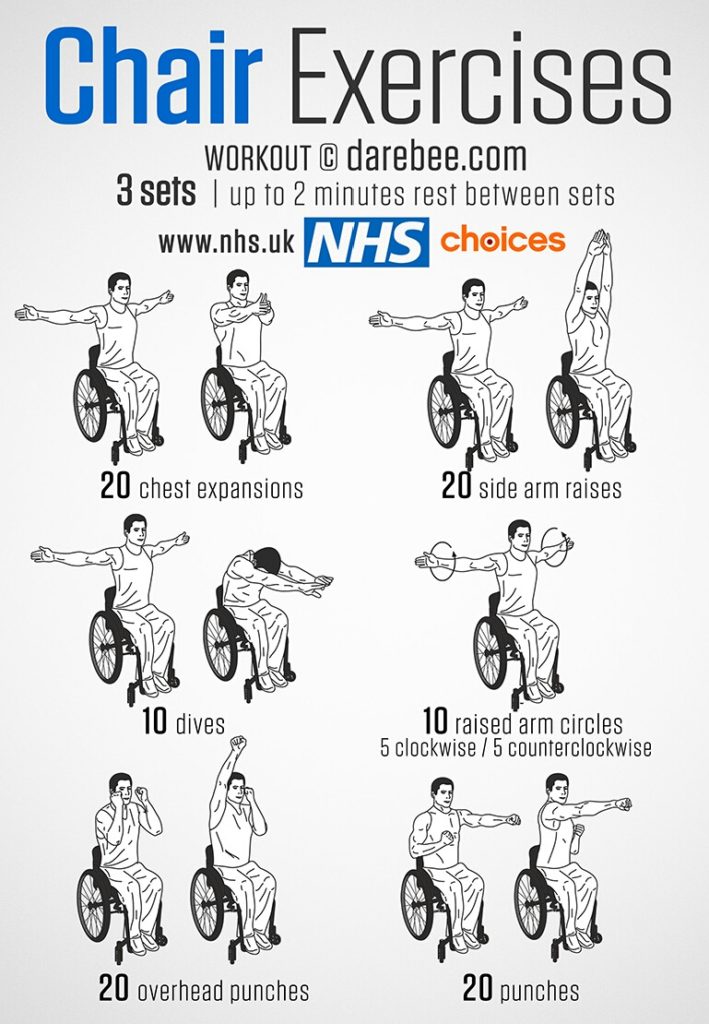
• It’s beneficial to stay as active as physically possible, particularly throughout winter as immobility makes us more vulnerable to infection.
I am completely non-ambulant and so this is a major issue for me. Immobility results in muscle decline and poor circulation, which in itself leads to further complications.
• Although I cannot exercise in a conventional fashion, I basically wriggle and move about as much as I can. For example, I flex my feet & wiggle my toes, lean back and forth and side to side in my chair. Don’t be afraid to put some music on, loosen up and just MOVE however you can, for as long as you can.
• If you are able, go swimming as this is the best exercise for those with physical disabilities.
• Remember to pay attention to your lungs! Deep breathing exercises are an essential daily requirement for me. Following the Active Cycle of Breathing Techniques (ACBT) helps to keep me as strong as I can be.

5. Avoid Germs:

• I am particularly susceptible to respiratory viruses. If I go anywhere near someone with a cold, 9/10 I will catch it. For me, a common cold can quickly progress into a much more serious condition, I do my best to limit exposure to infected people.
• I avoid overcrowded spaces and public transport when I’m feeling run-down, whilst taking and shortly after a course of antibiotics as this is when my defences are the lowest.
• At times when coughs/colds are prevalent within the local community, I try to stay away from enclosed public places e.g. trains, buses, cinema, supermarket/stores, pubs, clubs etc.
• If you must go out, remain in the fresh, open air (but wrap up warm).
Wear a scarf when out and about. When necessary, I can use it almost like a mask, pulling it up over my face. This prevents me from inhaling and contracting airborne viruses.
• Why not add a few drops of Olbas Oil (eucalyptus) to your scarf. That way, when you do need to pull it up over your nose and mouth, you can breathe in the fresh scent and it won’t feel stuffy.


I really hope this was helpful! Please SHARE this blog post so that others may benefit.

I’d love to hear from you – what do you do to stay well throughout winter?